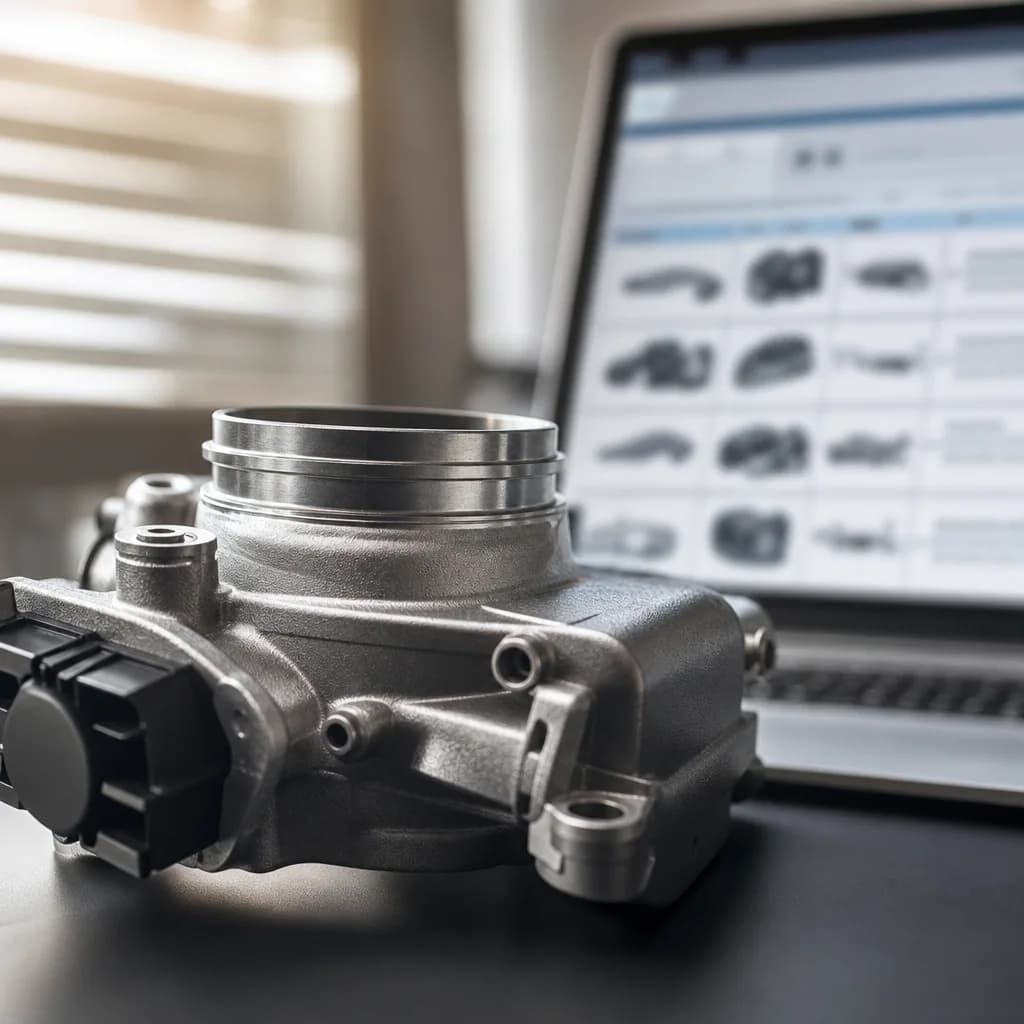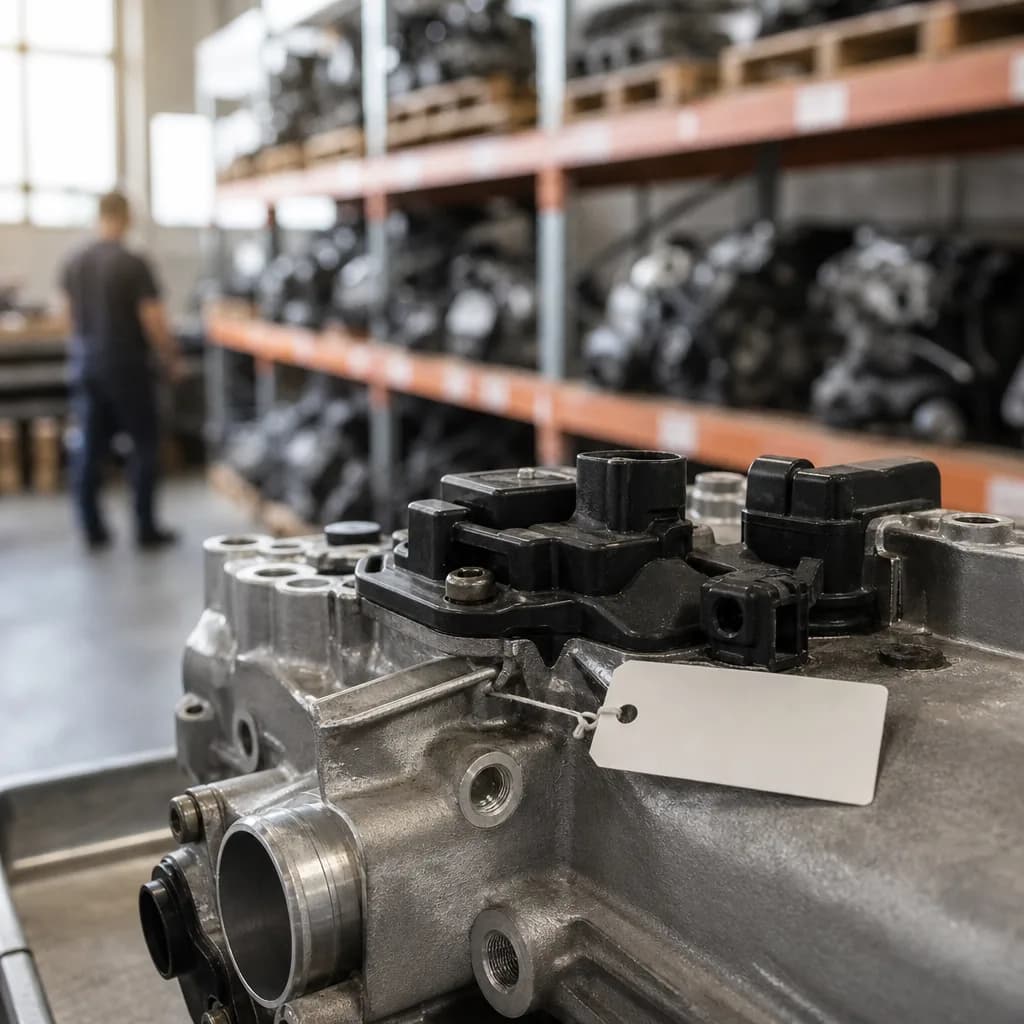

When you need a car part, the most important thing is finding one that fits perfectly. But with thousands of parts out there, how do you know you are getting the right one? That is where OEM numbers come in. An OEM number is a special code given by the car maker to each part. Think of it like a fingerprint for your car part.
OEM stands for Original Equipment Manufacturer. This means the part was made by the same company that built your car. So an OEM number tells you exactly which part was used in your car at the factory. When you search for a used part using that number, you can be sure it will fit. No guesswork, no returns for wrong parts.
What Is an OEM Number and Why Does It Matter?
An OEM number is a combination of letters and numbers. For example, a Toyota brake caliper might have the number 47750-0E040. Each car brand uses its own system. But all OEM numbers serve one purpose: to identify a single part.
Why does this matter? Because using the wrong part can be dangerous. A bolt that is a little too short might come loose. A sensor with a different code might not work. That is why professional garages always check OEM numbers.
At Auto128, we help you find used genuine OEM parts by their numbers. We search across Europe to find the exact part for your car. Then we ship it to you with full tracking and customs handled.
How OEM Numbers Make Car Part Shopping Easy
Without an OEM number, finding a part is like looking for a needle in a haystack. You have to describe the part by its shape, size, and color. That is hard and often leads to mistakes.
With an OEM number, you can search online and find the part in seconds. You can compare prices from sellers all over the world. You can even check if the part fits your car by using your Vehicle Identification Number (VIN).
Your VIN is a 17-character code unique to your car. It tells you the make, model, year, and even the engine type. By matching the OEM number to your VIN, you can be 100% sure the part fits. Learn more about VINs on Wikipedia.
Where to Find OEM Numbers on Your Car
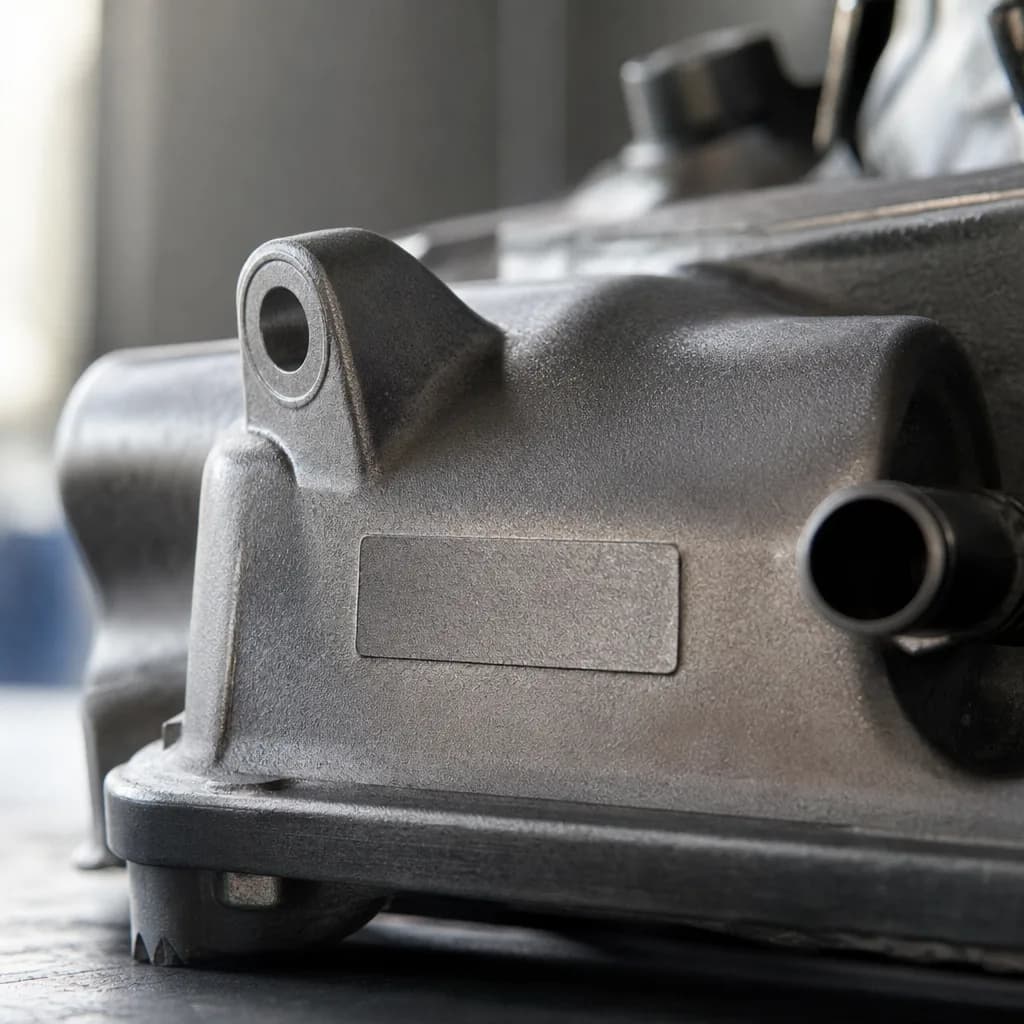
You can find OEM numbers in several places. The easiest is to look at the old part itself. Most original parts have the number stamped or printed on them. Check the side or the back of the part.
You can also find OEM numbers in your car's owner manual. Or look up your car's online parts catalog. Many car brands have official websites where you can enter your VIN and get a list of all parts for your car.
Another place is your repair invoice. If a mechanic worked on your car before, they likely listed the OEM number of the part they replaced. Keep those receipts for future reference.
- Check the old part for a stamped or printed number.
- Look in your owner manual or online parts catalog.
- Use your VIN on a brand website to get a list of OEM numbers.
Why OEM Parts Are Better Than Aftermarket
Aftermarket parts are made by third-party companies. They may not fit as well or last as long. Some are even dangerous because they do not meet the same standards.
OEM parts are made to the exact specifications of your car. They use the same materials and quality controls. That is why they fit right and last a long time.
Using used OEM parts saves you money. You get the same quality as a brand new OEM part but at a fraction of the cost. Browse parts by brand to see how much you can save on high-quality used parts.
How Auto128 Uses OEM Numbers to Source Parts
At Auto128, we specialize in finding used original parts. You just tell us the OEM number and your country. Our system searches professional dismantlers across Europe for that exact part.
Once we find a match, we confirm the fitment using your VIN and other details. Then we arrange shipping to your door. We handle all the export paperwork and customs clearance. You get a tracked delivery with no surprise fees.
Learn how Auto128 works to get the right part safely and affordably.
Common Mistakes When Using OEM Numbers
Mixing Up OEM Numbers with Part Numbers
Some parts have several numbers on them. The OEM number is the one from the car manufacturer. Other numbers may be from the part supplier. Always use the car maker's number to be safe.
Forgetting to Check for Updates
Car makers sometimes update a part design. They may give it a new OEM number. The old number may still work, but you should check the latest version. Use your VIN or call a dealer to confirm.
Assuming All Numbers Are the Same Across Brands
Each brand has its own system. A Toyota part will not have the same number as a Ford part. Do not assume that a similar number means it fits. Always cross-check with your VIN.
Tips for Buying Used OEM Parts Online
Buying used parts online is easy if you follow these tips. First, always use the exact OEM number. Do not rely on descriptions like "fits Toyota Corolla 2005." That could be wrong.
Second, ask for photos of the actual part. A good seller will provide pictures of the part with the OEM number visible. Third, check the return policy. Even with the right number, the part might not work if it is damaged.
Fourth, make sure the seller handles shipping and customs. International buyers often face extra fees. Request a part from Auto128 and we take care of everything from sourcing to delivery.
Saved by the Number: A Real World Example
Imagine you have a 2012 Volkswagen Golf. The electric window switch breaks. You search online for "VW Golf window switch" and find dozens. Which one is right?
You remember the old switch had a number on it: 1K0 959 857 C. You search that number and get a perfect match. The part arrives, you plug it in, and it works instantly. That is the power of OEM numbers.
That is why we always ask for the OEM number. It saves time, money, and frustration. See our FAQ for more tips on using OEM numbers and fitment.
The Global Language of Car Parts
OEM numbers cross borders and languages. A German part fits a Japanese car as long as the numbers match. This makes buying parts globally easy.
At Auto128, we connect you to European dismantlers. You get access to high quality used parts from cars all over Europe. With the OEM number, you can find the exact part you need, wherever it is.
Using OEM numbers is a smart skill for any car owner. It saves you money, ensures safety, and gets your car back on the road fast. Start using OEM numbers today and see the difference.
Frequently asked questions
What does OEM stand for?
OEM stands for Original Equipment Manufacturer. It means the part is made by the same company that built your car, so it fits perfectly.
How do I find the OEM number on my car part?
Look at the old part for a stamped or printed code. Also check your owner manual or use your VIN on a car brand website to get the right numbers.
Can I use a part with a different OEM number?
No, only use the exact OEM number for your car. A different number may not fit or work correctly, which could be unsafe.
Are used OEM parts safe?
Yes, used OEM parts are safe if they are in good condition. They meet the same factory standards as new parts, but cost much less.
How does Auto128 ensure I get the right part?
We use your OEM number and VIN to confirm exact fitment. We source only from professional dismantlers and handle all shipping and customs for you.