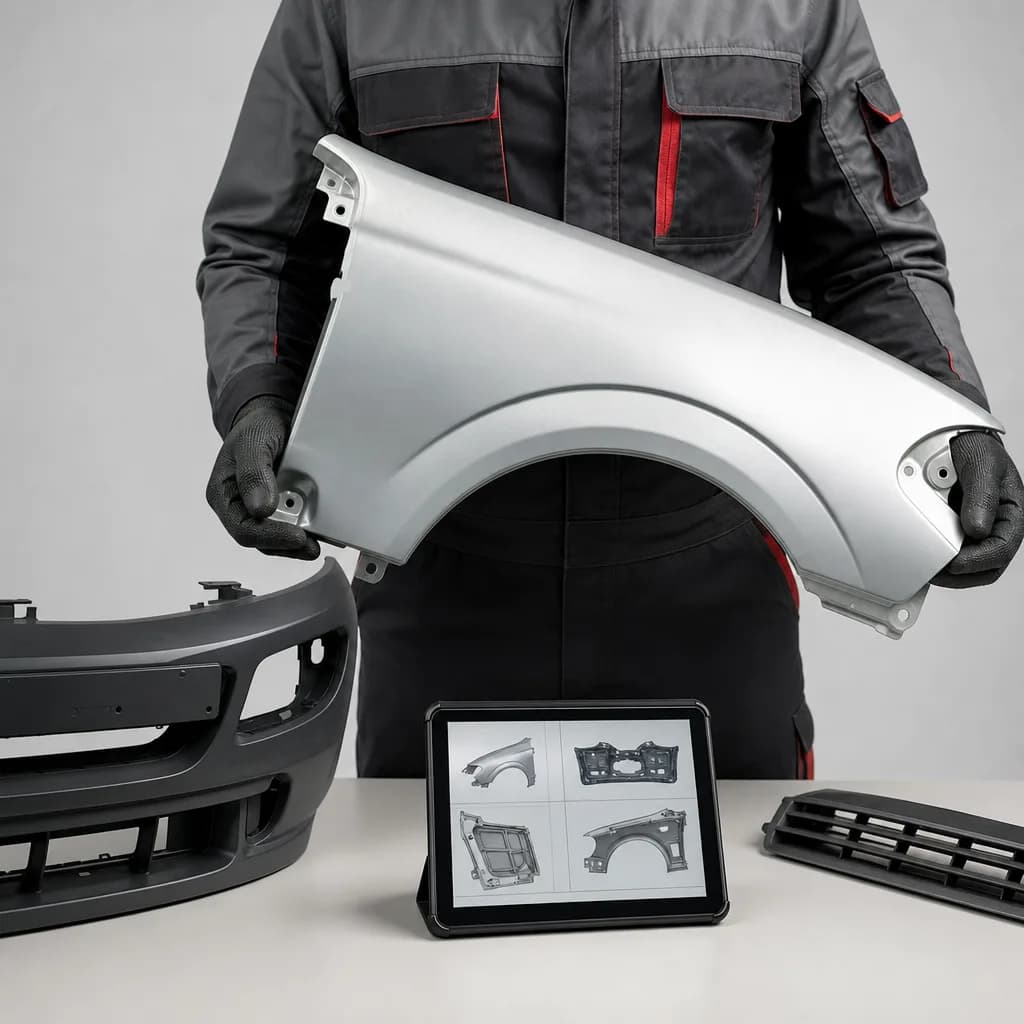

Have you ever needed a car part and didn't know where to start? Maybe your local shop couldn't find it, or a new part was too expensive. There is a simple way to find exactly what you need. It starts with a number: the OEM number.
OEM stands for Original Equipment Manufacturer. That number is like a fingerprint for your car part. It tells you the exact part that came with your car from the factory. In this guide, you will learn how to use that number to find a used genuine part in minutes. You will save money and get the right fit the first time.
What is an OEM Number and Why Does It Matter?
An OEM number is a unique code given by your car's maker. For example, a Toyota brake caliper will have a number like 47750-0E010. This number is printed on the part itself or in your owner's manual.
Why It Is Better Than a VIN or Model Year
Your car's VIN (Vehicle Identification Number) is also unique, but it covers the whole car. The OEM number is specific to one part. Using the model year can be tricky too, because car makers often change parts mid-year. The OEM number is the safest bet.
When you search by OEM number, you remove all guesswork. You get a part that fits exactly like the original. This is critical for safety parts like brakes and steering components.
Where to Find the OEM Number on Your Part
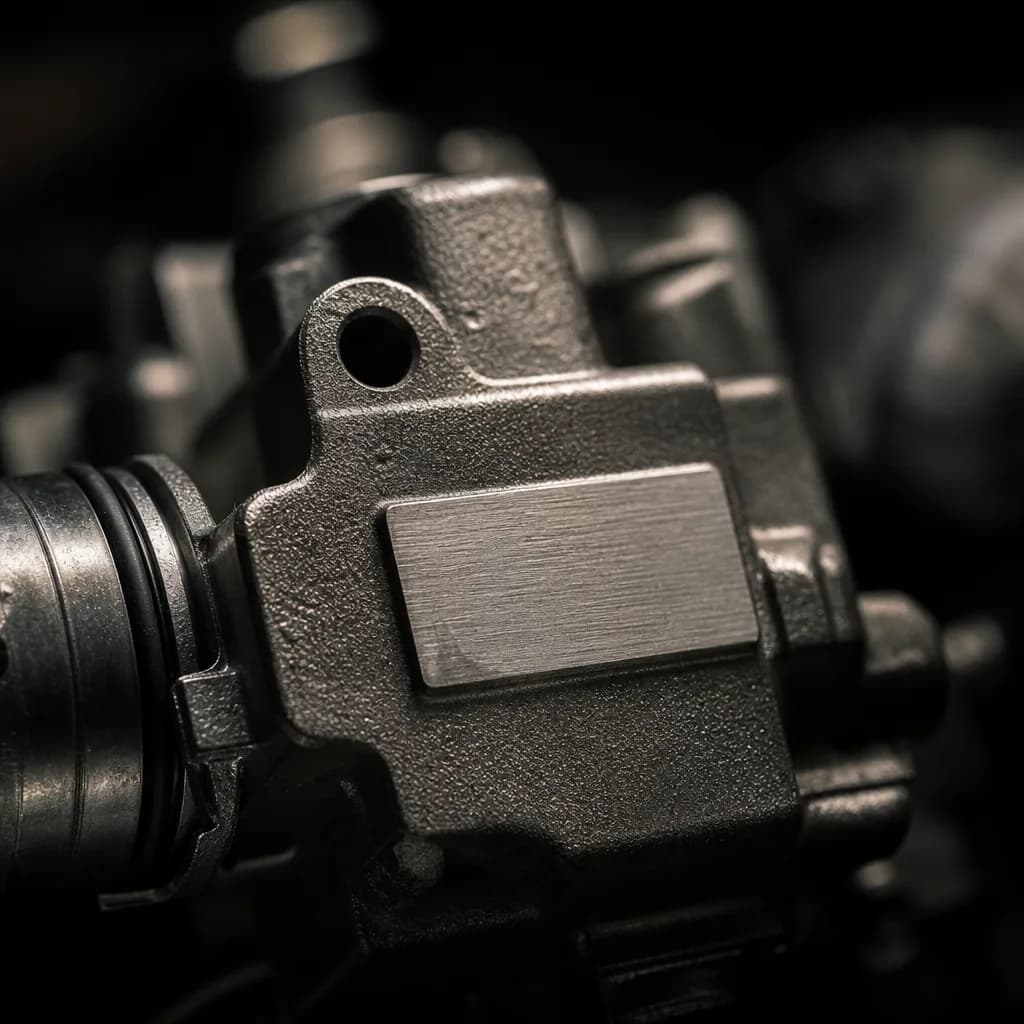
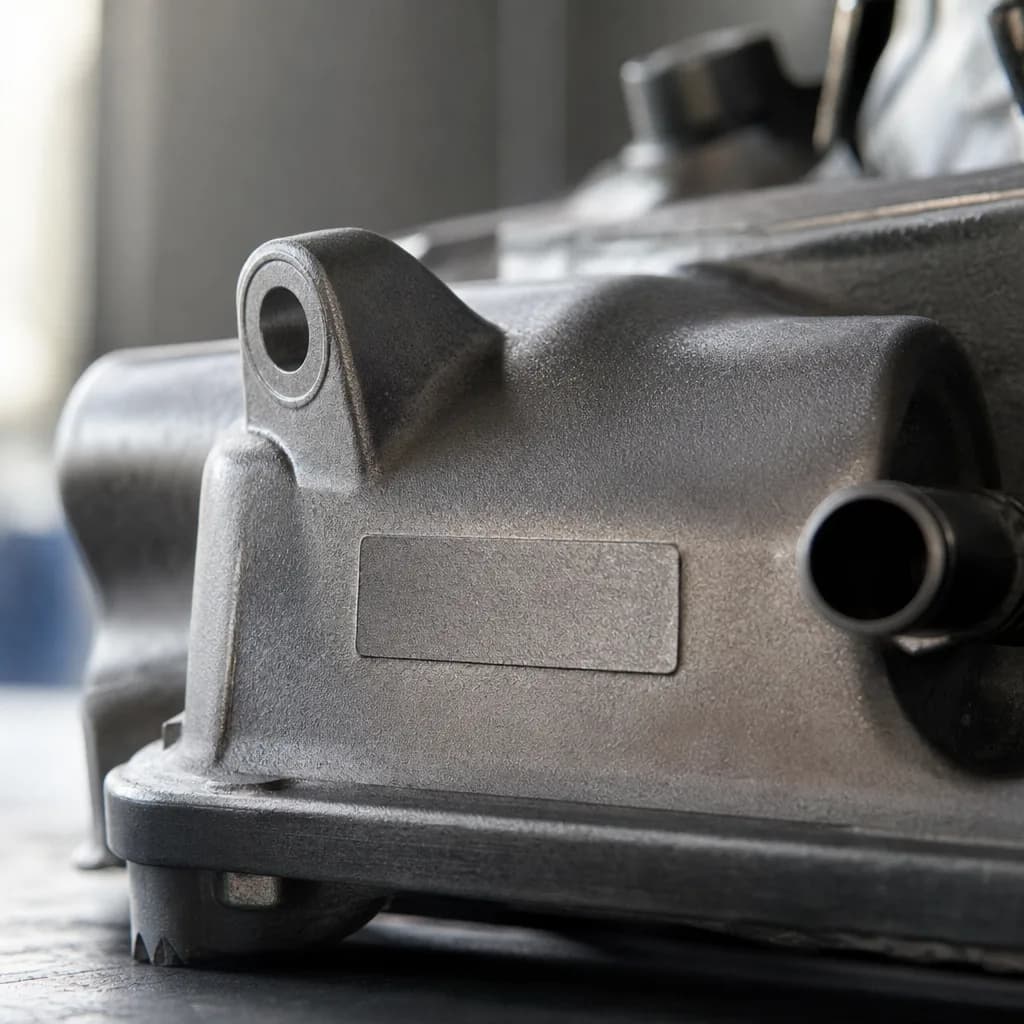
Look for a sticker or stamped number on the part itself. It is often on a flat surface. Common places include the side of the alternator, the bracket of the starter, or the back of the headlight. If you cannot find it, check your car's service manual or online parts catalog.
You can also search by your car's make and model on our brands page to see common part numbers.
Using OEM Numbers to Search for Used Parts
Once you have the OEM number, you can start searching. The internet is full of listings, but not all are reliable. Here is a simple way to find quality used parts.
Step-by-Step Search Process
First, type the full OEM number into a search engine. Include spaces or dashes as they appear on the part. Look for websites that specialize in used genuine parts. Avoid random marketplace ads from individuals.
Second, check the part's condition. Used parts can range from like-new to worn. Look for terms like "tested," "low mileage," or "in good working order." Ask for photos if not shown.
Third, confirm the part fits your specific car. Even with the same OEM number, there can be variations. Double-check your car's year, model, and engine size.
Using Online Marketplaces Smartly
Many websites let you search by OEM number. But be careful. Sellers may list a part as compatible without checking. Always ask for the actual OEM number on the part they will send.
If you want a trusted source, see how Auto128 works. We source parts from professional dismantlers across Europe. You get a real used genuine part, not a knock-off.
Understanding Part Fitment and Compatibility
Fitment means the part will physically fit your car and work correctly. Even with the right OEM number, small differences can cause problems. For example, a 2015 Honda Civic may have a different alternator than a 2016 model.
Factors That Affect Fitment
Check your car's VIN. The VIN tells you the exact options your car was built with. Some parts vary by trim level, like a sport package or towing package.
Also check the production date of your car. Car makers sometimes change suppliers mid-year. The OEM number on your old part is your best friend. If the new part has the same number, it should fit.
When an OEM Number Isn't Enough
Sometimes different parts share the same OEM number but still don't fit. This is rare, but it happens with superseded parts. A superseded part replaces an older version. It may require a new bracket or wiring.
Always ask the seller if the part is superseded or direct fit. You can also check the OEM Wikipedia page for more background.
Buying Used Genuine Parts vs Aftermarket
Aftermarket parts are made by other companies. They are often cheaper, but quality can vary. Used genuine OEM parts are the exact parts that came in your car. They are made by the same factory, often with better materials.
Pros and Cons of Used Genuine Parts
Pros: Perfect fit, original quality, lower price than new. Cons: You must check condition. They may have wear, but for many parts like alternators or pumps, they last a long time.
Independent garages love used genuine parts because they don't cause fitment issues. This saves labor time and money.
How Auto128 Ensures Quality
We work only with professional dismantlers. They test parts and give accurate condition reports. We handle the export and customs for you. You get a tracked delivery with no surprises.
If you cannot find a part, request a part with your OEM code and country. We will source it for you.
Sourcing Parts from Dismantlers Across Europe
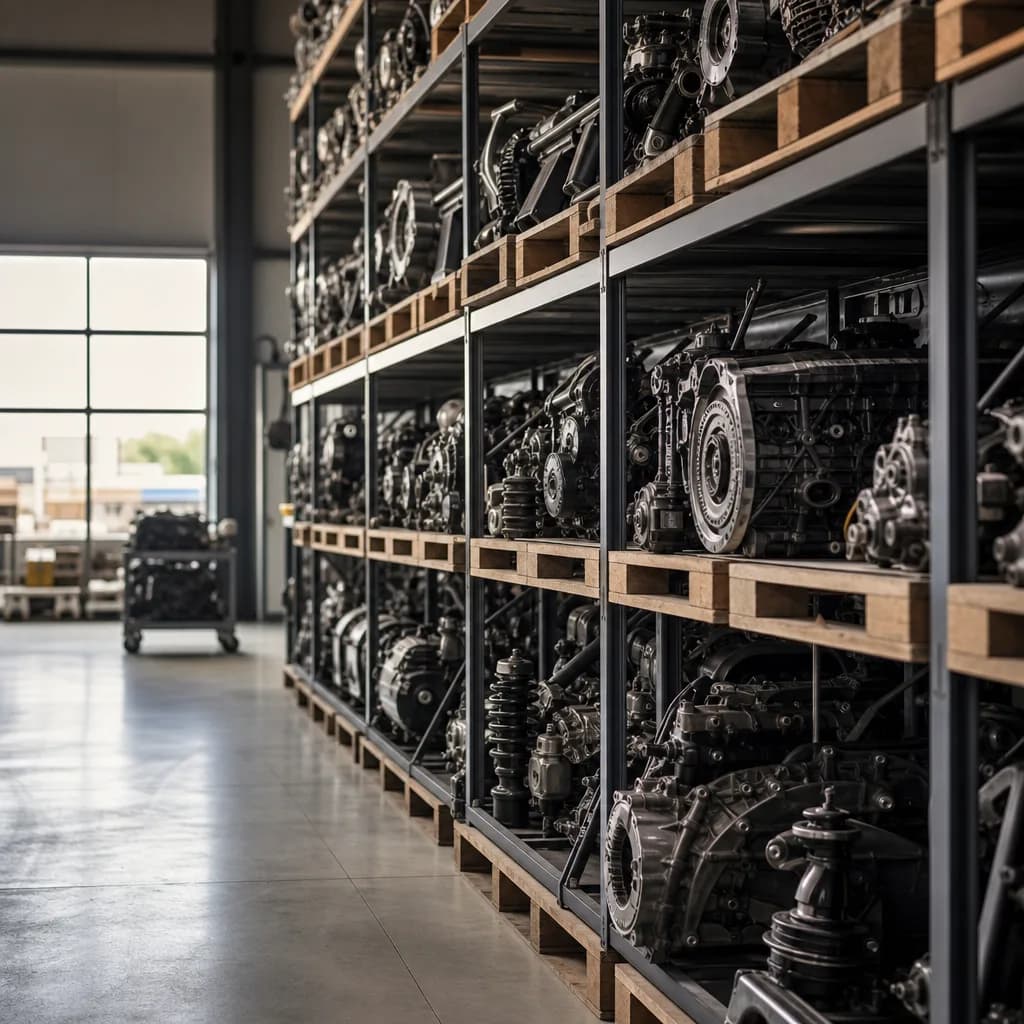
Europe has a huge supply of used car parts. Cars there are often newer and well-maintained. Shipping worldwide is common, but you need to manage customs.
Why Europe is a Great Source
European cars have many OEM parts that fit other markets. Also, the supply of parts for older models is good. Many dismantlers have online inventory that you can search.
However, language barriers can be a problem. That is where a service like ours helps. We translate and handle the whole process.
Understanding Customs and Shipping
When you buy from another country, customs may charge import duties. The seller should tell you the shipping cost and terms. Some sellers include customs fees, others do not.
At Auto128, we include customs handling in our service. You pay one price, and the part arrives at your door. Check out our frequently asked questions for more details.
Common Mistakes When Searching by OEM Number
Even experienced buyers make errors. Here are the most common ones and how to avoid them.
Using the Wrong Number
Make sure you copy the number exactly. A missing zero or space can lead to the wrong part. Take a photo with your phone for reference.
Ignoring the Production Date
As mentioned, cars change during a model year. Check the production month on your door sticker. Use that date when asking sellers.
Not Asking About Returns
Used parts can fail. Ask the seller if they offer a warranty or return policy. Most professional sellers offer at least 30 days.
If you buy through Auto128, we have a fallback guarantee. You can read more on our about page.
Tips for Independent Garages and DIY Mechanics
If you run a repair shop or fix cars at home, using OEM numbers will save you time. You can look up parts faster and avoid returns.
Build a Parts Database
Keep a list of common OEM numbers for the cars you service. Over time, this becomes a valuable resource.
Use online resources like Toyota parts catalogs for accuracy.
Check Multiple Suppliers
Don't buy from the first seller you find. Compare prices and condition. Shipping costs can vary a lot.
Remember, the cheapest part may not be the best value. A worn part from a car with high miles may fail soon.
Conclusion
Finding a used car part by its OEM number is fast and easy. You just need the right number and a trustworthy source. Used genuine parts can save you up to 70% compared to new ones.
Start with your old part's number, search smartly, and confirm fitment. Use services like Auto128 to make the process even smoother. You can get the exact part you need delivered to your door within minutes of searching.
Frequently asked questions
Where do I find the OEM number on my car part?
Look for a sticker or stamped code on the part itself. Common spots include the side of the alternator, the starter, or the back of a headlight. You can also check your owner's manual or an online parts catalog.
Can I use the same OEM number for different car models?
Sometimes the same part is used in multiple models. But always confirm with your car's VIN and production date. Even with the same number, fitment can vary.
What if the part I need has a superseded OEM number?
A superseded number means the part has been replaced by a newer version. Check if the new part requires extra brackets or wiring. Ask the seller if it is a direct fit for your car.
Are used OEM parts better than aftermarket?
Used OEM parts are original quality and fit perfectly. They are often cheaper than new OEM. Aftermarket parts vary in quality. For safety or critical parts, used OEM is a good choice.
How does Auto128 handle customs and shipping?
We handle all customs paperwork and shipping for you. You pay one price and the part is delivered tracked. You don't need to worry about import duties or delays.