
Buying a used body panel or bumper saves you money. But the part must fit your car exactly. A wrong part leads to wasted time and effort.
This guide helps you get the right used OEM body panels and bumpers. We cover part numbers, VIN checks, and sourcing tips.
Why Fitment Matters for Used Body Panels
Body panels are not universal. A bumper for a 2019 model may not fit a 2020 car. Small changes happen between years.
Even the same model can have different parts. A sport trim bumper is different from a base trim bumper. Always check before you buy.
Common Parts You Can Buy Used
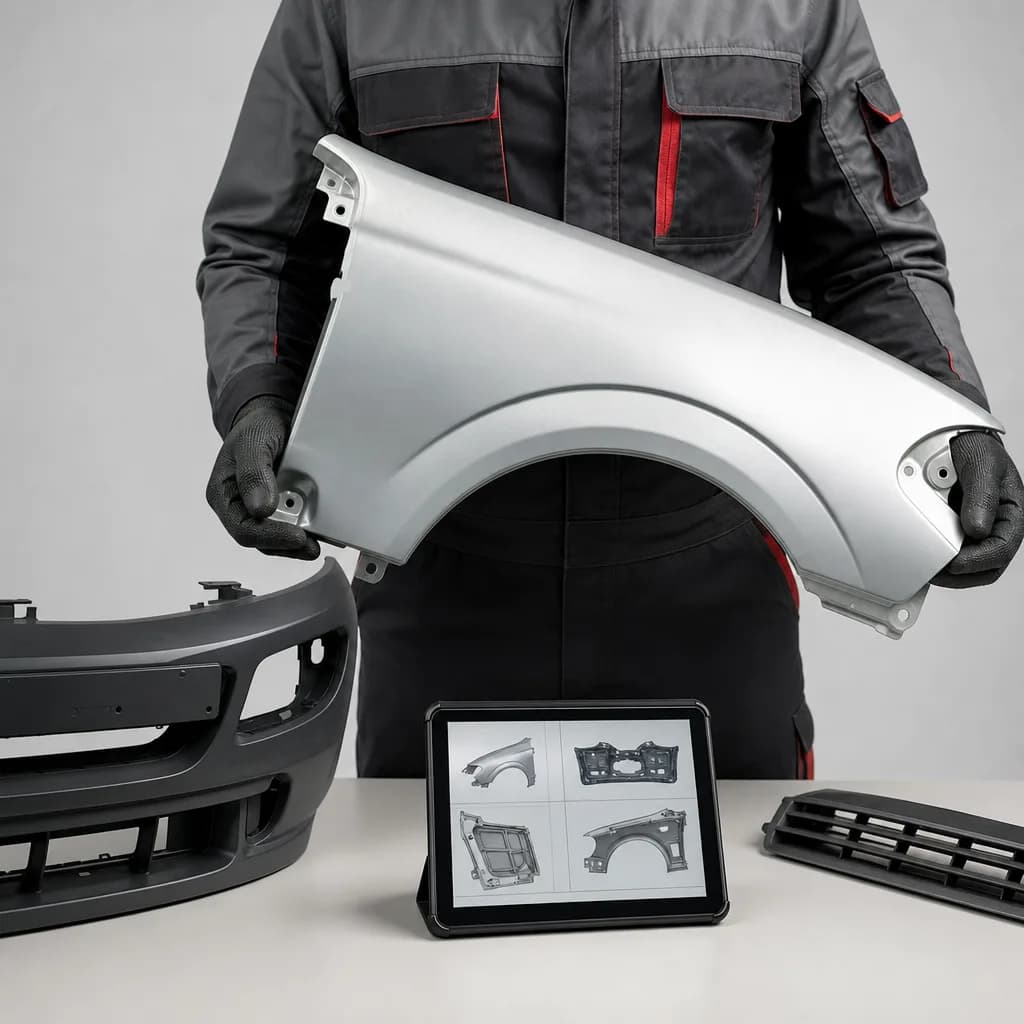
Used OEM panels are affordable. Popular parts include doors, fenders, hoods, and bumpers. Many are easy to swap with basic tools.
You can find these parts at a fraction of the new price. They are original equipment, so quality matches your car.
Risks of Aftermarket Panels
Aftermarket panels are cheaper. But they often need extra work to fit. Holes may not line up. The metal can be thinner.
Used OEM parts bolt on without modifications. This saves you time and money in the long run.
Using Part Numbers to Confirm Fitment
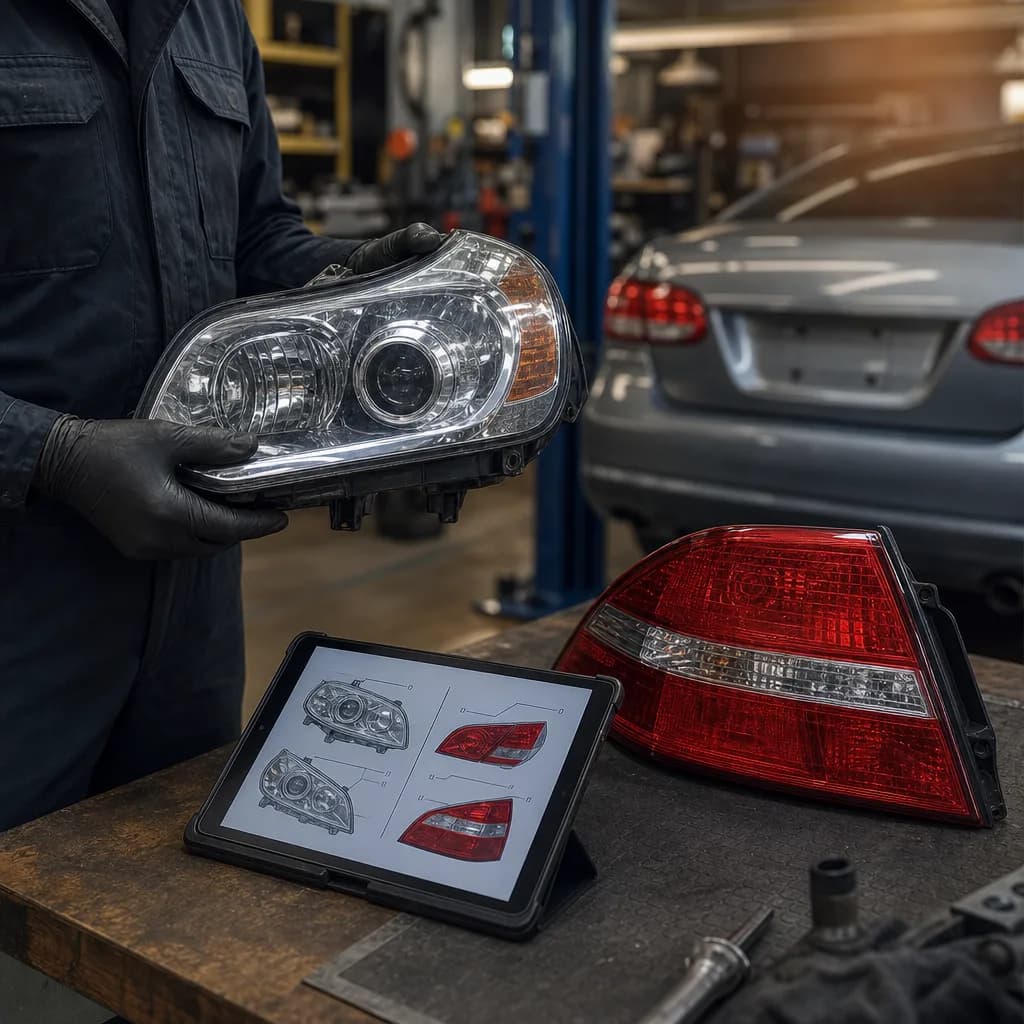
Every OEM part has a part number. This number matches a specific vehicle. You can find it on your old part or in a catalog.
Websites like Toyota and Honda offer part diagrams. Enter your model to see the correct number. Many online databases also work.
Where to Find the Part Number
On body panels, the part number is often a sticker or stamp. On bumpers, it may be inside the cover. Look for a white label or embossed digits.
If your old part is missing, use your VIN. Dealers can look up the number. Independent shops can help too.
Decoding Part Numbers
Part numbers are made of letters and numbers. They follow a pattern: prefix, base, suffix. The prefix often indicates the model or region.
For example, a Toyota part number like 52111-12345: 52111 is the base part for a fender. The suffix shows color or revision.
Cross-Reference with Other Models
Some parts fit multiple models. But do not assume. A door from a sedan may not fit a coupe. Always verify with a parts cross-reference tool.
Websites like BMW often show which models share parts. You can also ask a dismantler with experience.
Checking Your VIN for Compatibility
Your Vehicle Identification Number (VIN) is a 17-digit code. It tells exactly how your car was built. It includes the model year, engine type, and trim.
Use your VIN to check part compatibility. Suppliers can match your VIN to the right part. This is the safest way to buy used.
How to Read a VIN
The 10th digit is the model year. The 8th digit is the engine code. The 11th digit is the plant code. These often affect body parts.
For example, a 2010 model (letter A) has different bumpers than a 2011 (letter B). Always verify the year.
Using VIN for Bumpers
Bumpers are especially tricky. They change with facelifts. A 2015 bumper may not fit a 2016 facelift. Your VIN will show the exact production date.
Call the seller with your VIN. They can check if the part matches. Many online stores also accept VIN searches.
Trim Level and Options
Trim levels like LX, EX, or Sport have different parts. A base model may not have fog light holes. A sport model may have a lip spoiler.
Your VIN tells the trim code. Use it to find matching panels. It prevents buying a part that looks different.
Sourcing Used Panels from Dismantlers
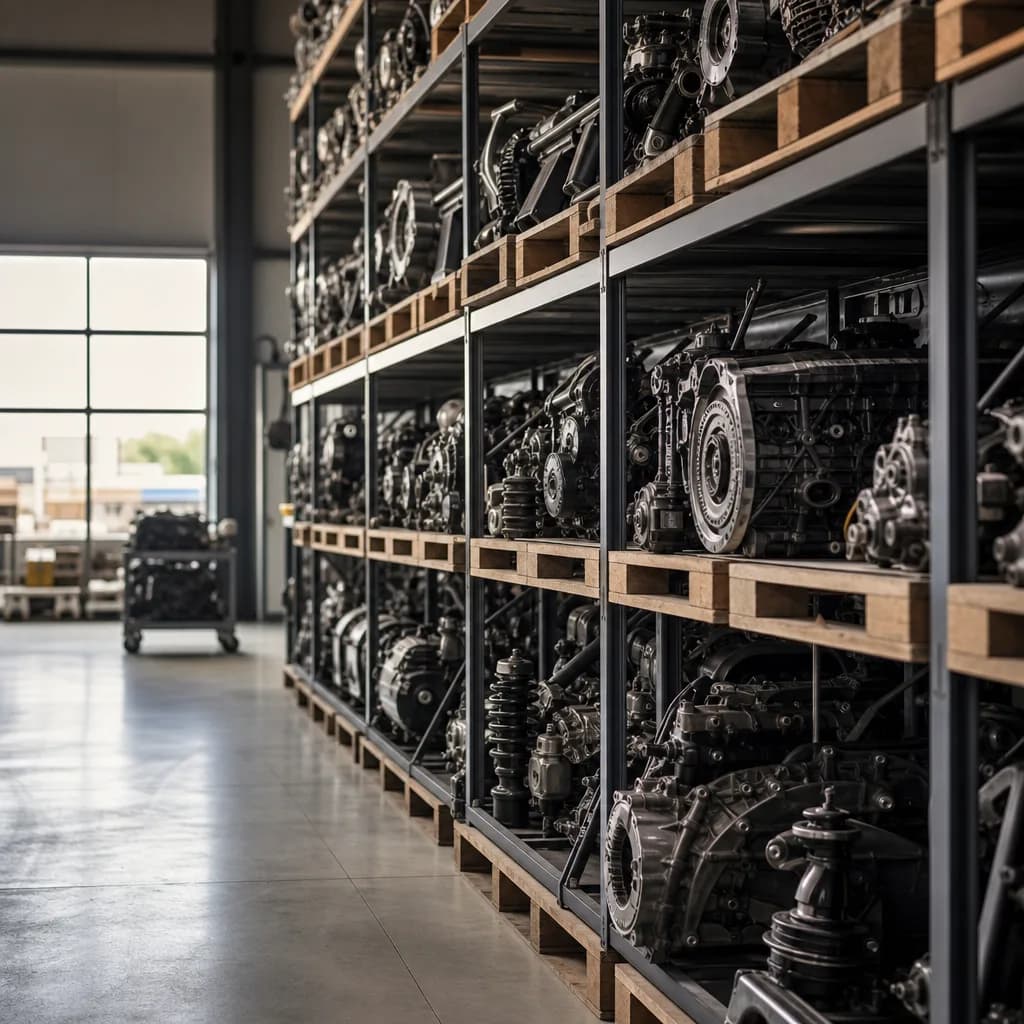
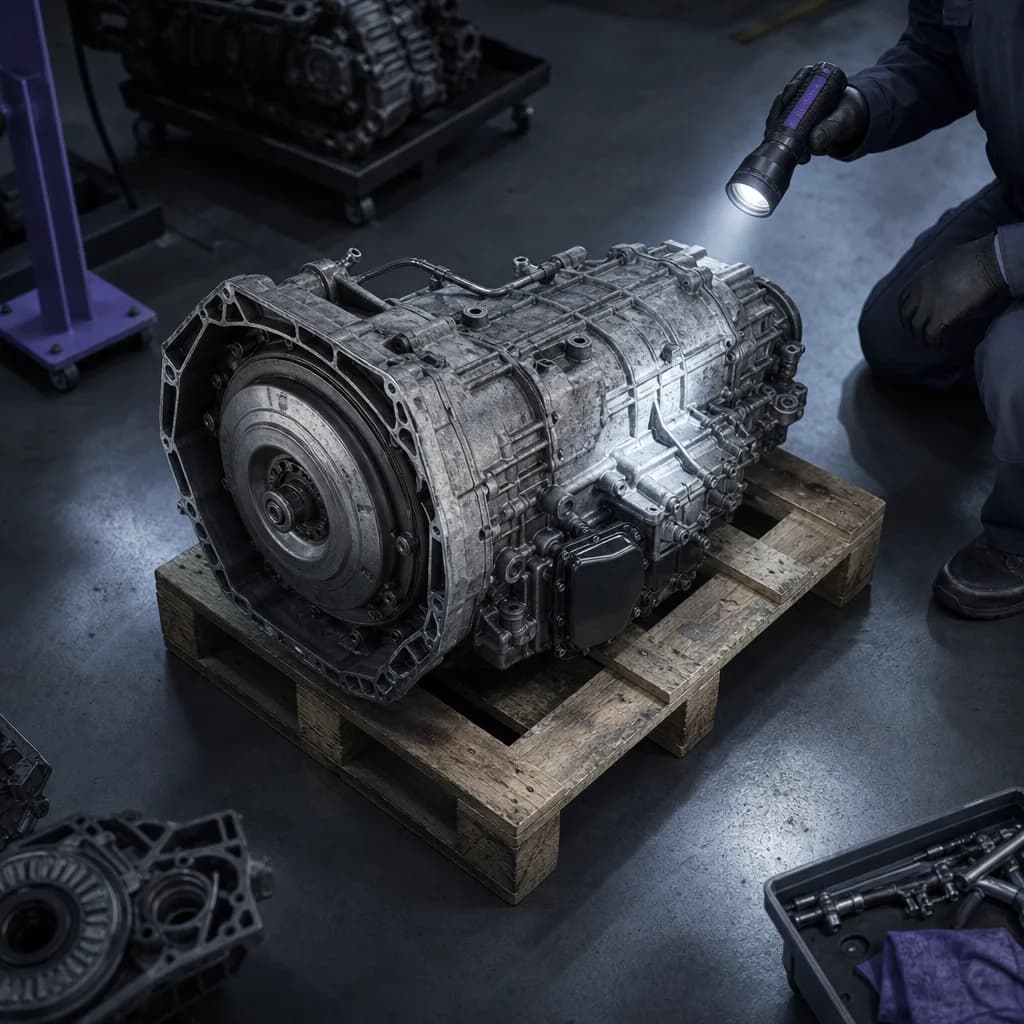
Professional dismantlers are a great source. They take apart cars and sell parts. They often inspect and test parts before selling.
Auto128 connects you with browse parts by brand. This helps you find used genuine OEM parts grouped by make and model. You can search with confidence.
What to Ask the Seller
Ask for the part number and VIN of the donor car. Ask about scratches, rust, or damage. Ask for photos of the actual part.
Good sellers provide this info. They want you to be happy. Avoid sellers who give vague answers.
Shipping and Customs
Body panels are large. Shipping costs can be high. Always get a shipping quote before buying.
If you buy from Europe, customs may apply. Auto128 explains how Auto128 works to handle export and customs. They deliver tracked worldwide.
Requesting a Hard-to-Find Part
Sometimes a part is rare. You may not find it in inventory. In that case, request a part by telling us the OEM code and your country. We source and deliver it.
Inspecting Used Panels Before Purchase
Look for rust on metal panels. Surface rust can be treated, but deep rust may weaken the part. Check edges and inside surfaces.
Plastic bumpers can have cracks. Small cracks can be repaired, but large ones need replacement. Check the mounting points.
Color Matching
Color codes are on your car's VIN plate or door jamb. Even same color can fade differently. Ask for a color sample first.
Repainting is often needed. It is cheaper than buying new. Many shops offer color matching.
Check for Aftermarket Parts
Some parts look OEM but are aftermarket. Aftermarket parts have no manufacturer logo. The plastic may feel different.
Stick to dismantlers who guarantee OEM. Auto128 lists only genuine parts from professional sources.
Installation Tips for DIY Mechanics
Replacing a bumper or panel is doable. You need basic tools: socket set, trim tools, and a helper for large parts. Watch a guide for your car.
Most parts bolt on. Some have hidden clips. Take your time to avoid breaking clips.
Preparing the Part
Clean the part with soap and water. Remove any old tape or adhesive. If painting, sand and prime first.
Test fit without tightening. Verify all holes align. Adjust if needed.
Common Pitfalls
Wiring connectors for lights may differ by year. Check before installing. Fog lights and sensors may need reprogramming.
If you have questions, ask a pro. A mistake can cost more than the part.
Why Choose Used OEM Over New or Aftermarket
Used OEM parts cost about half of new. They are the same quality. They fit correctly without modifications.
Aftermarket parts are cheaper but often fit poorly. You may spend extra on adjustments. Used OEM is a smart balance.
Auto128 provides frequently asked questions on sourcing, shipping, fitment and fallback guarantees. This helps you make an informed choice.
Final Tips for a Smooth Purchase
Always have your VIN ready. Compare part numbers. Buy from a reputable dismantler. Read reviews if possible.
Consider total cost including shipping. If the price is too low, be cautious. Quality used parts hold their value.
By following this guide, you save money and get the right part. Used OEM body panels and bumpers are a great choice for your car.
Related Auto128 pages
Find and order the exact OEM part you need:
- About Auto128: who we are and why buying used genuine parts is safe.
Frequently asked questions
How do I find the OEM part number for my car's bumper?
You can find the OEM part number on the back of the bumper cover inside a plastic tag or embossed on the plastic. You can also look it up using your VIN on websites like Toyota or Honda parts catalogs.
Will a bumper from a different model year fit my car?
Not always. Even small model year changes can affect bumper shape, mounting points, and sensor locations. Always check the part number or your VIN to confirm compatibility.
What should I look for when inspecting a used panel?
Check for rust on metal panels, cracks on plastic bumpers, and verify that mounting tabs are intact. Ask for photos of the actual part and a color code sample.
How do I know if a used part is OEM or aftermarket?
OEM parts usually have the manufacturer's logo (like Toyota or Honda) and a part number sticker. Aftermarket parts often lack these markings and have slightly different plastic texture.