
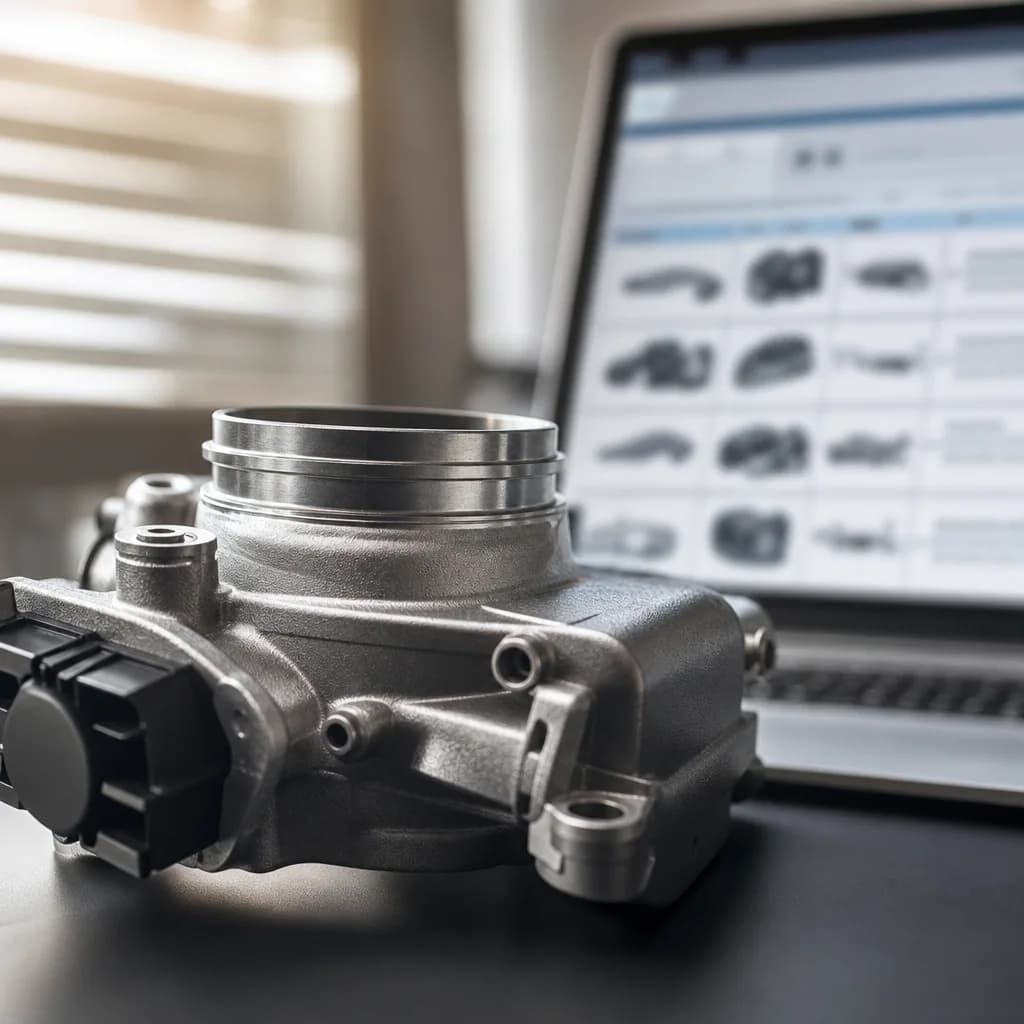
Cross-referencing OEM numbers helps you find the same part used in many car models. This can save you time and money. A part with one number may fit your car and others.
OEM stands for Original Equipment Manufacturer. That means the part comes from the same company that made your car's original parts. Using used genuine OEM parts keeps your car reliable.
What Are OEM Numbers?
OEM numbers are unique codes for car parts. Each part has its own number. For example, a brake pad for a Toyota Camry has a specific OEM code.
These numbers help you find the exact part you need. They appear in your car's manual or on the part itself. You can also search by this number online.
Why One Part Fits Many Models
Car makers share parts across different models to save costs. For instance, a fuel pump might fit both a sedan and an SUV from the same brand.
A single part can be used in several car lines. That means the same OEM number appears in different vehicles. This is common with sensors, alternators, and more.
How to Find Cross-References
Start by locating the OEM number on your old part. It is usually stamped or printed on the part. You can also check your car's repair manual.
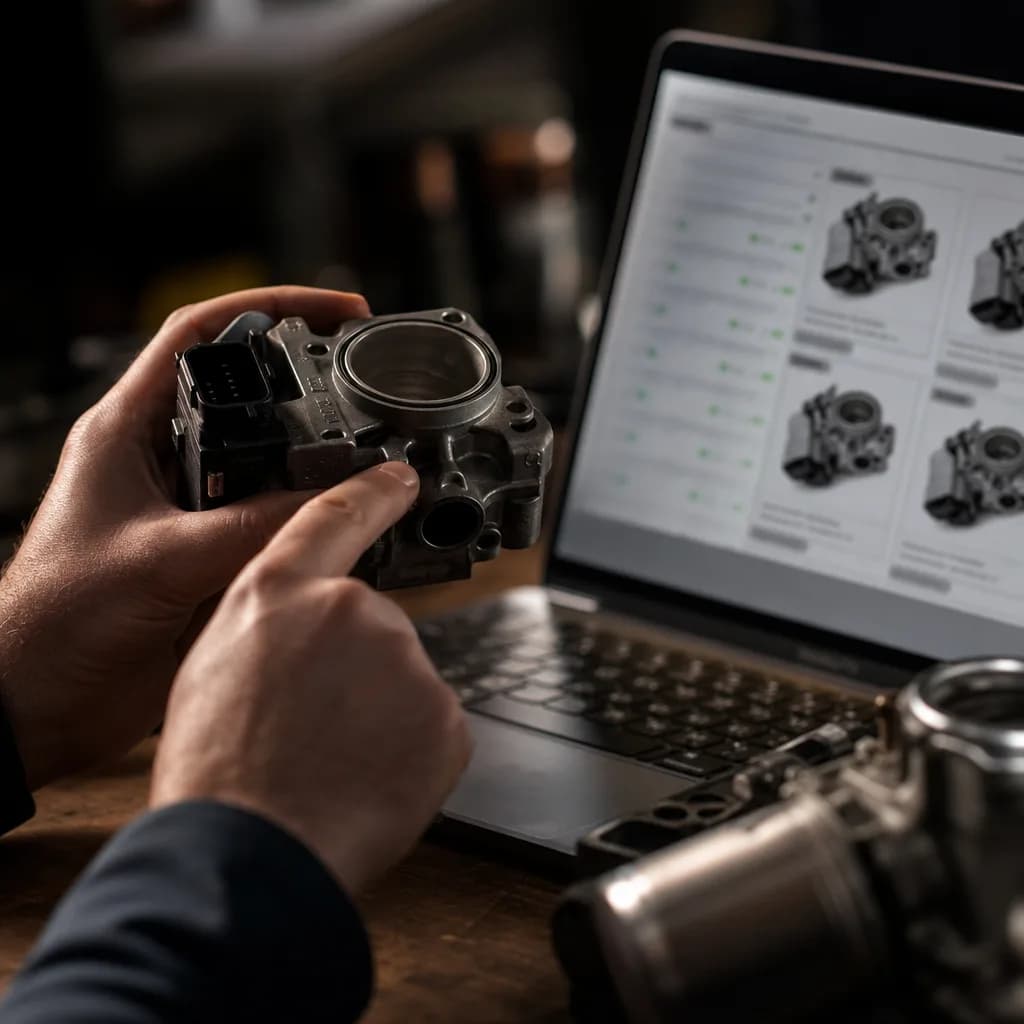
Enter that number into a search tool. Many websites show which other cars use the same OEM code. Browse parts by brand on Auto128 to find cross-referenced parts for your make and model.
Using Cross-Reference to Save Money
Cross-referencing lets you buy a used genuine part from a different model. This can be cheaper than buying a new part. Many used parts are in great condition.
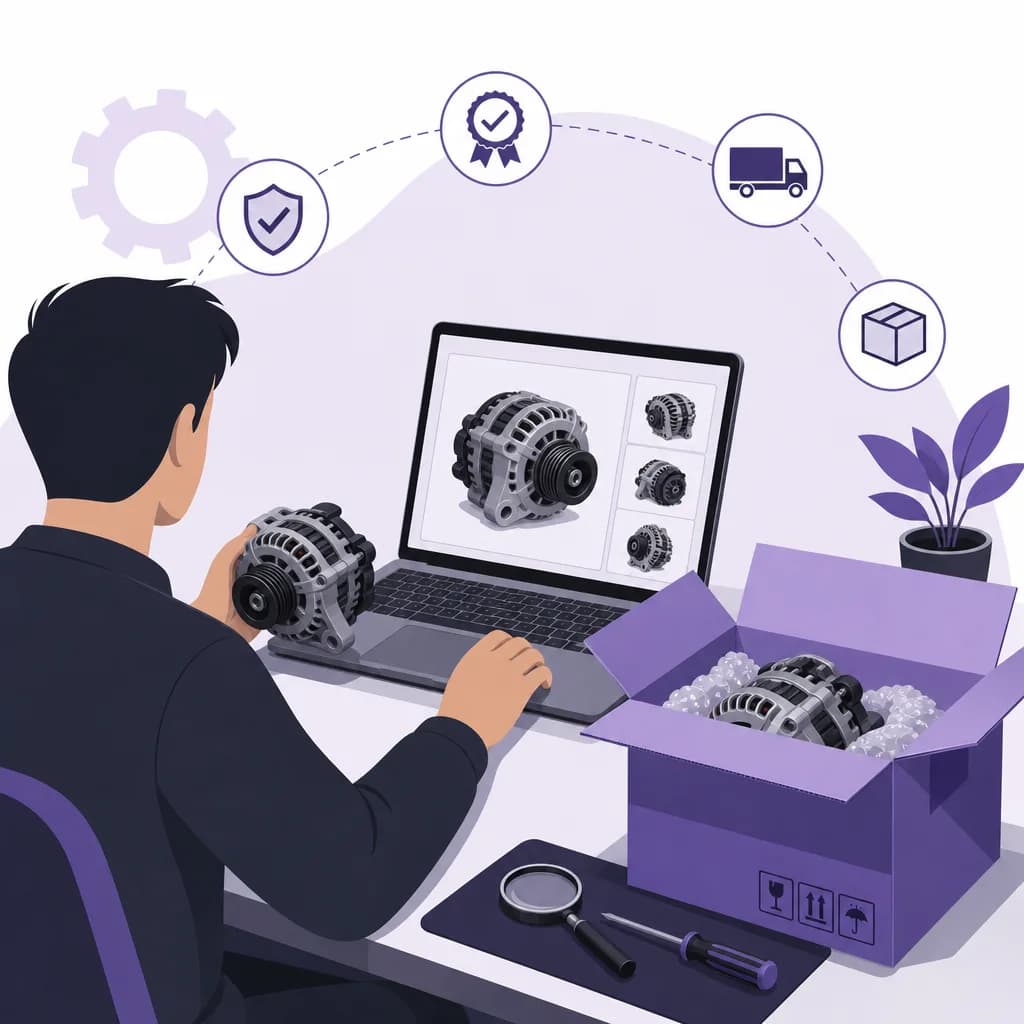
For example, a used alternator from a Honda Accord may fit a Honda Civic. You pay less for the same part. Learn how Auto128 sources used parts from dismantlers across Europe.
Check Fitment Carefully
Always confirm that the cross-referenced part fits your exact car. Use your Vehicle Identification Number (VIN) to double-check. The VIN gives your car's exact specs.
Cross-reference lists are a start but not always perfect. Small differences can matter for fitment. Ask the seller for details before buying.
Where to Find OEM Numbers
You can find OEM numbers in several places. The most reliable is the part itself. Look for a sticker or engraving with numbers and letters.
Your car owner's manual may list part numbers. Also check online databases. Wikipedia explains how the VIN code works and helps identify your car.
Online Parts Catalogs
Many websites let you search by OEM number. They show you which cars use that part. This is a fast way to find cross-references.
Parts catalogs from brands like Bosch and Denso are also useful. Bosch automotive parts catalog helps you cross-reference components.
Common Parts with Multiple Fitments
Some parts fit many car models. Examples include oxygen sensors, wheel bearings, and brake rotors. These are often shared across brands.
A single alternator part number might fit a dozen models. That gives you many used part options. You can search for the best deal.
Engine Sensors
Engine sensors like mass airflow or crankshaft sensors are frequently shared. One OEM number might fit several engine types.
Using a used genuine sensor saves money and works like new. Just ensure the sensor matches your engine specs.
Electrical Components
Alternators, starters, and control modules often fit multiple models. A used alternator from a dismantled car can work in yours.
Check the OEM number against your car's requirements. Auto128 helps request a part with the exact OEM code and your country.
How to Buy a Cross-Referenced Part
First, confirm the OEM number fits your car. Use the VIN to verify. Then search for a used genuine part from a reliable source.
Compare prices from different sellers. Used parts cost much less than new ones. Shipping and customs may add cost, so factor that in.
Sourcing from Dismantlers
Professional dismantlers in Europe take cars apart carefully. They test parts and sell them used. This is a green choice too.
Auto128 works with such dismantlers. We handle export and customs for you. Read about Auto128 to learn how we make buying used parts safe.
Potential Pitfalls
Not all cross-references are perfect. A part may fit mechanically but not electrically. Always check compatibility.
Also watch for revisions. Car makers sometimes update parts with a new number. The old number might still work but double-check.
If you are unsure, ask experts. See our frequently asked questions for more guidance on sourcing and fitment.
Benefits of Used Genuine Parts
Used genuine parts are cheaper than new ones. They are just as reliable if from a good source. You get the same quality at a lower price.
Buying used also reduces waste. It is better for the environment. Cross-referencing helps you find these parts easily.
Warranty and Returns
Many sellers offer a warranty on used parts. Auto128 provides guarantees on fitment and fallback. Always check the return policy before buying.
Keeping your car on the road does not have to cost a fortune. Cross-referencing OEM numbers is a smart way to save.
Start by finding the OEM number on your needed part. Then use cross-reference tools to explore more options. You may find the same part in a common model.
Frequently asked questions
What does OEM mean?
OEM stands for Original Equipment Manufacturer. It means the part comes from the same company that made your car's original parts. Used genuine OEM parts keep your car reliable.
How do I find the OEM number on my part?
Look for a sticker or engraved number on the part. It is usually a mix of letters and numbers. You can also find it in your car's owner manual or online.
Can I use a part from a different car model?
Yes, if the OEM number matches, the part is the same. Always check fitment with your VIN to be sure. Cross-reference lists help you find matches.
Where can I buy used genuine OEM parts?
Auto128 sources used parts from professional dismantlers in Europe. You can search by OEM code, confirm fitment, and get the part delivered worldwide with customs handled.
Are used genuine parts reliable?
Yes, when sourced from a trusted dismantler. They test parts and often offer warranties. Used parts are cheaper than new and just as reliable.