
Every genuine car part has its own unique number. This number is called the OEM number. OEM stands for Original Equipment Manufacturer. It is the code that identifies the exact part your car was built with.
Finding this number is the key to buying the right used genuine part. Without it, you might end up with a part that does not fit. This guide shows you where to look on common parts.
What Is an OEM Number and Why You Need It
Think of the OEM number as a part's fingerprint. Each OEM code is unique to that specific part for your car's make and model.
When you search by OEM number, you get the exact part that came from the factory. This is much more accurate than searching by car model alone.
For example, two different alternators may fit the same car. But only one has the correct output. The OEM number tells you which is which.
If you are buying a used genuine OEM part, the number guarantees fitment. It also helps the dismantler confirm the part is original.
Where to Look for the OEM Number
1. On the Part Itself
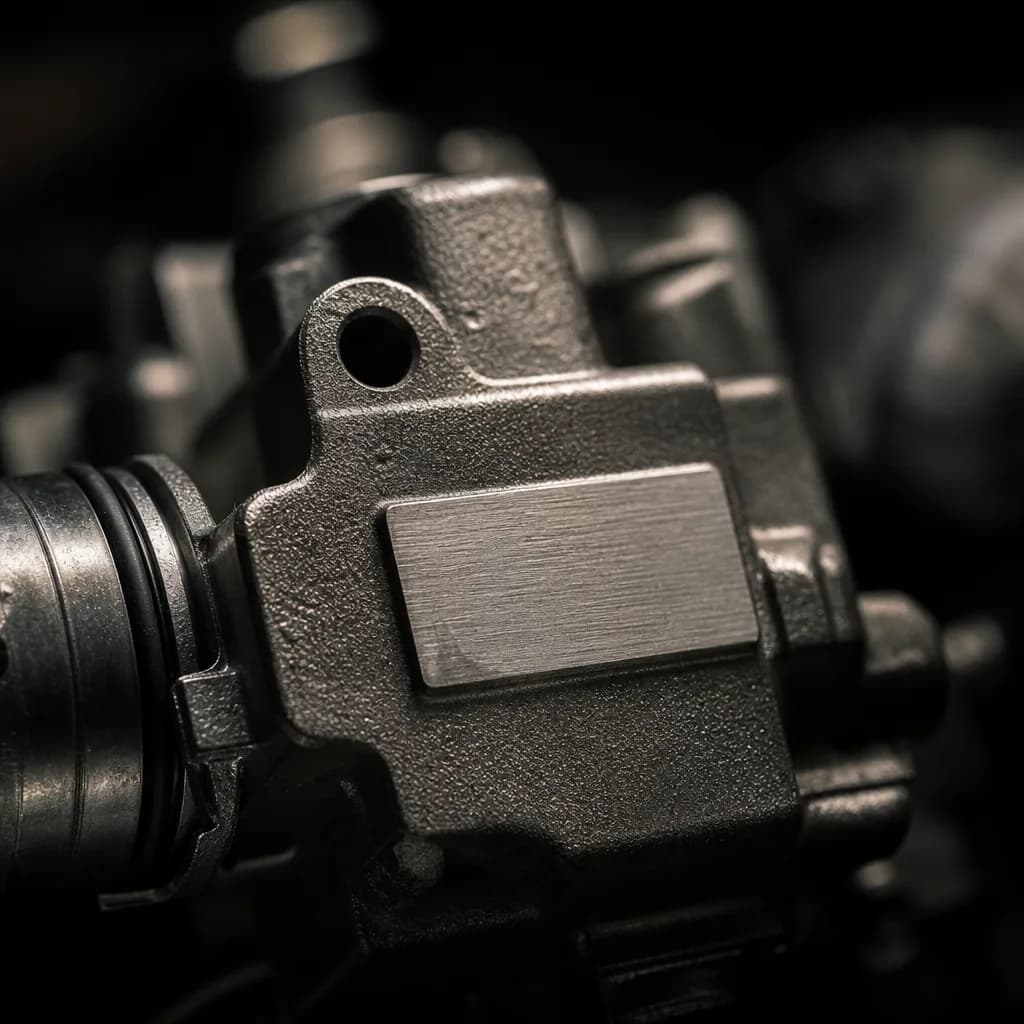
Most OEM parts have the number stamped or engraved into the body. It is often in a recessed area or on a flat surface.
Look for a series of letters and numbers. It may be 6 to 12 characters long. Sometimes it includes hyphens or slashes.
For example, an alternator might have a sticker with a barcode and the OEM number printed above it. The number is also stamped into the metal housing.
If the part has a sticker, check that it is original. Aftermarket parts sometimes have similar stickers. But genuine OEM stickers have a specific font and layout.
2. On a White or Silver Sticker
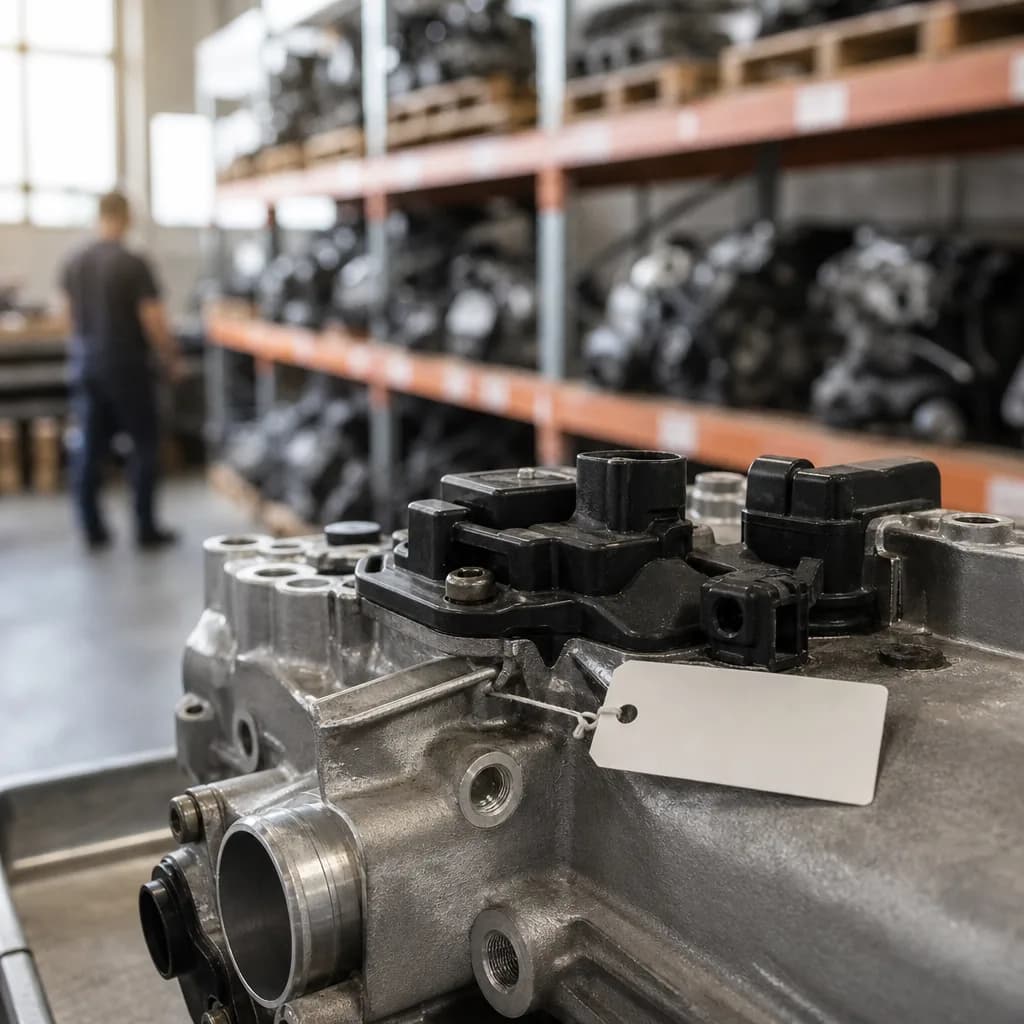
Many parts have a white or silver sticker with black text. This sticker shows the OEM number, a barcode, and maybe a date code.
The sticker is usually placed where it is visible when the part is installed. For example, on the top of a radiator or the side of a starter motor.
But stickers can fade or peel over time. If the sticker is gone, look for a stamped number instead.
Some parts have the number printed directly onto the plastic or rubber. Check all sides of the part carefully.
3. On a Metal Tag or Plate
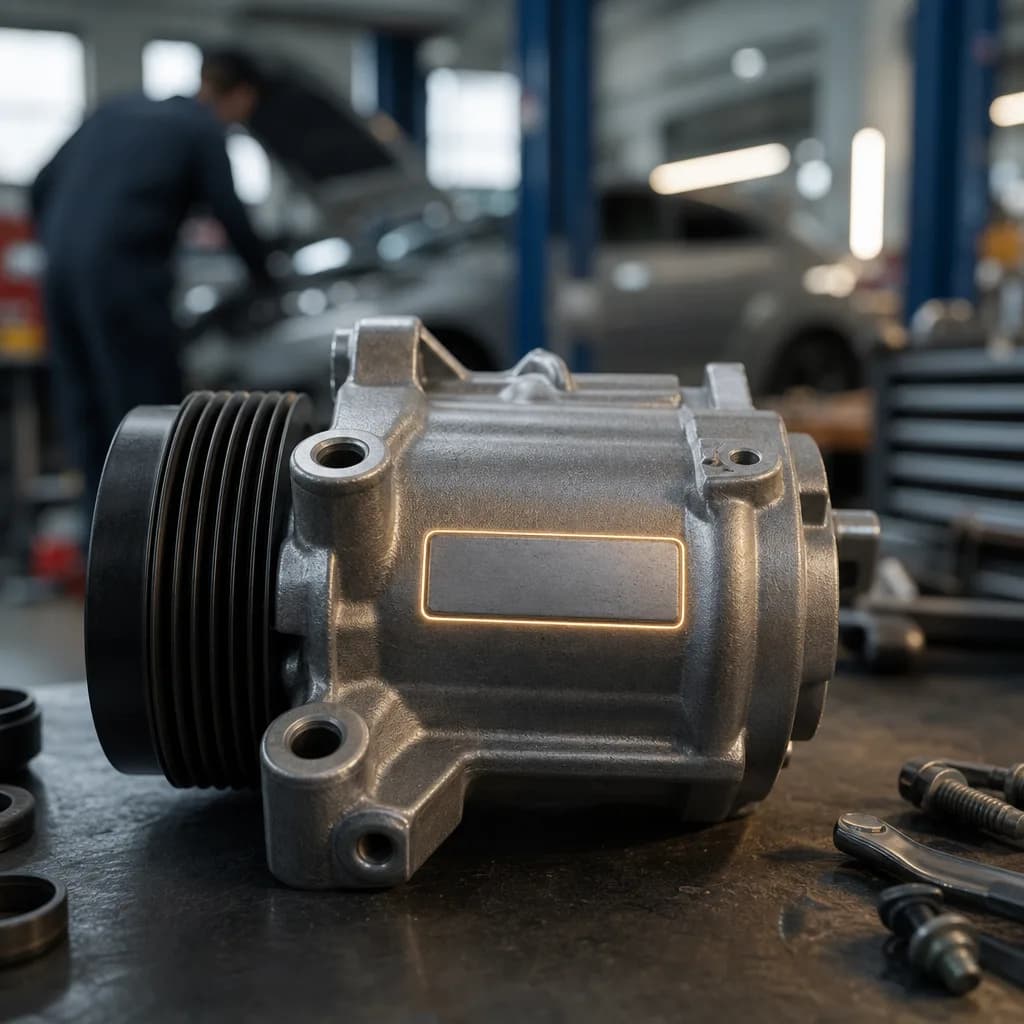
Larger parts like engines or transmissions have a metal tag riveted on. This tag has the OEM number and other details like the production date.
The tag is usually on a flat surface where it won't get damaged. For example, on the side of the engine block or near the bellhousing.
Sometimes the OEM number is also stamped into the metal itself. For example, on the cylinder head or the intake manifold.
For safety parts like brake calipers, the number is often stamped on the casting. Check the side that faces the wheel.
4. On the Barcode Label
Modern parts have a barcode label with the OEM number below the barcode. This label is common on sensors, switches, and electronic modules.
The label is usually black text on a white background. It may also have the supplier's name and part number.
If the label is damaged, try to read the numbers from the remaining sections. You can often piece together the full number.
For parts like mass airflow sensors, the OEM number is on the top or side of the plastic housing.
Tips for Reading the Number Correctly
Write down the number exactly as it appears. Be careful not to confuse similar characters like 0 and O, or 1 and I.
Use a phone camera to take a clear photo. Zoom in to capture the number. Then you can compare it with listings online.
If the number is hard to read, use a flashlight at an angle. This can make stamped numbers stand out better.
Clean the part first if it is dirty. Grease and grime can hide the number. Use a rag and some degreaser.
Common Parts and Where to Find Their OEM Numbers
Alternator
The OEM number for an alternator is usually on the back or front casing. Look for a sticker or a stamped code near the electrical connector.
On some models, the number is on a flat surface on the side. It might be buried under a bracket. You may need to remove the alternator to see it clearly.
Example: A Bosch alternator might have a number like 0 986 024 940. This is the OEM number you need.
Radiator
The OEM number on a radiator is often on a sticker on the top or side tank. It is usually on the driver's side or passenger's side.
The sticker is white with black text. It includes the OEM number and a barcode. If the sticker is gone, check for a number molded into the plastic.
Some radiators have the number stamped on the metal core. But this is less common.
Starter Motor
The OEM number on a starter motor is usually on a sticker on the cylindrical body. Look near the solenoid or the mounting flange.
Sometimes the number is stamped into the metal housing. It may be on the side that faces the engine block.
For a Denso starter, the number might start with a letter like S or 2, then digits.
Brake Caliper
The OEM number for a brake caliper is often cast into the body. Look on the side or the back of the caliper, near the brake line connection.
It may be a raised number, like a series of digits. For example, a TRW caliper might have a number like 18 000 000.
If the caliper has a sticker, it is usually on the piston housing. But the sticker may not survive long in that environment.
Control Arm
The OEM number for a control arm is often stamped into the metal arm. Look on the flat part near the bushing or the ball joint.
It might also be on a sticker on the arm itself. Check both sides because the number can be on the back.
For a factory control arm, the number may include the manufacturer's name and a part number like 31206889.
Oxygen Sensor
The OEM number for an oxygen sensor is usually on the side of the sensor body. It is often printed or laser-etched near the wire harness connector.
It may be a long number like 0258003231 for a Bosch sensor. Write it down exactly as it appears.
Sensors can be tricky because the number may be covered by a heat shield or soot. Clean the area gently.
What to Do If You Cannot Find the Number
Sometimes the number wears off. Or the part is aftermarket and does not have an OEM number. In that case, use your car's VIN instead.
The VIN (Vehicle Identification Number) is a 17-character code on your dashboard or door jamb. It tells the exact specifications of your car.
You can give the VIN to a dealer or dismantler. They can look up the correct OEM part number for you.
Another option is to search by the car model and engine code. But this is less precise. The OEM number is always best.
If you are buying used genuine parts online, you can often browse parts by brand to find what you need. Just make sure the OEM number matches your old part.
How to Use the OEM Number to Buy a Used Part
Once you have the OEM number, you can search for it on Auto128. We connect you with dismantlers across Europe who have used genuine parts.
When you find a listing with the same number, you know the part will fit. We also confirm fitment for your specific car.
If you cannot find the part listed, you can request a part by telling us the OEM number and your country. We will source it and deliver it with tracking.
Our process handles export and customs. So you get the part without extra hassle.
Final Checks Before You Buy
Before you buy a used OEM part, check the photos for the OEM number on the part itself. The number should match what you need.
Also check the physical condition. Look for cracks, rust, or damage. Used parts can be in excellent condition if they were removed for an upgrade.
Ask the dismantler for the production date if it matters. Some parts have revisions. The number may be the same, but a later revision is better.
If you have any doubts, check our frequently asked questions for guidance on fitment and returns.
Finding the OEM number is the first step to a successful repair. With the right number, you save money and time.
Related Auto128 pages
Find and order the exact OEM part you need:
- About Auto128: who we are and why buying used genuine parts is safe.
Frequently asked questions
What if the OEM number sticker has worn off?
Look for a stamped or engraved number on the metal or plastic body of the part. If you still can't find it, use your car's VIN number to look up the correct part.
Can I use a part with a different OEM number if it looks the same?
It's not recommended. Even small differences in the OEM number can mean different specifications, like voltage or dimensions. Always match the exact number.
Is the OEM number the same as the part number?
Yes, in most cases the OEM number is the original part number assigned by the car manufacturer. It is the same as the part number you need for replacement.
Do all car parts have an OEM number?
Most genuine OEM parts have a number. Some simple parts like screws may not. But all major components like alternators, radiators, and sensors do.
How do I know if the part is genuine by the OEM number?
Cross-check the number with your car's manufacturer catalog. On Auto128, we verify that the part is original and matches the OEM number listed.