
Does your car shake at idle? Do you hear a clunk when you hit a bump? If so, your engine mounts might be worn out. These rubber and metal parts hold the engine in place and soak up vibration. When they fail, you feel it.
Buying a used genuine OEM mount can save you a lot of money. But you must get the right part. This guide shows you the signs of failure and how to buy a used one that fits.
What Are Engine Mounts and What Do They Do?
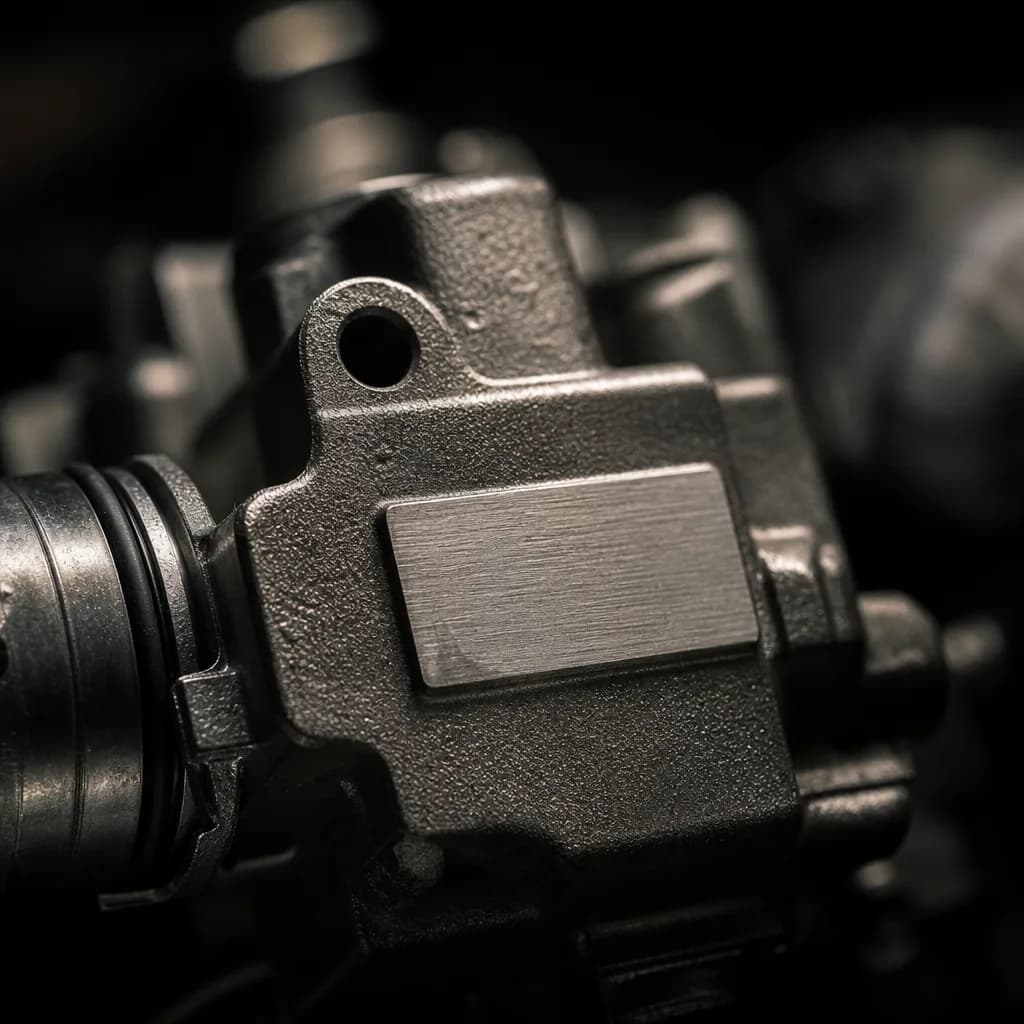
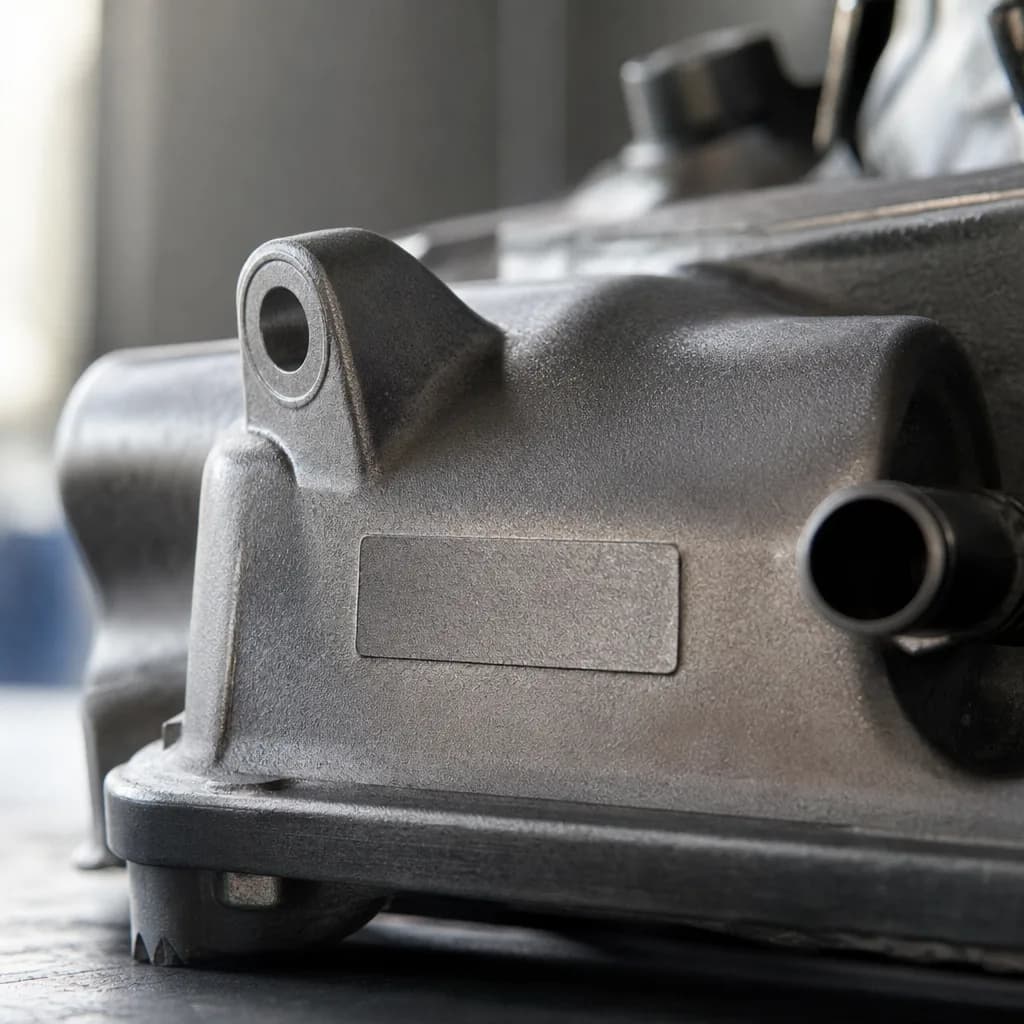
Engine mounts are the brackets that connect your engine to the car frame. They have rubber inside to absorb movement. Without them, the engine would shake the whole car apart.
There are usually three or four mounts. One on each side, and sometimes one at the front or back. They hold the engine steady while it twists and vibrates.
Over time, the rubber dries out and cracks. Heat and oil make it worse. When the rubber breaks, the metal parts bang together. That is when you notice problems.
Common Signs Your Engine Mounts Are Failing
You do not need to be a mechanic to spot a bad mount. Here are the most common signs.
1. Excessive Vibration at Idle
When you stop at a red light, does your dashboard shake? Do your mirrors vibrate? That is a classic sign. A worn mount cannot soak up the engine's natural shake.
You might feel it in the steering wheel or the seats. It often gets worse when the engine is cold.
2. Clunking or Banging Noises
Do you hear a loud clunk when you accelerate or go over bumps? That is the sound of metal hitting metal. The rubber is gone, so the engine moves too much.
You might also hear a thud when you shift gears. That is the engine rocking back and forth.
3. Engine Movement
Open the hood and have a friend rev the engine. If the engine lifts up or twists more than a little, the mounts are weak. It should stay fairly still.
Too much movement can damage hoses, wires, and exhaust parts. Fix it before it causes bigger problems.
4. Visible Damage to the Mount
Look at the mount itself. Do you see cracked or missing rubber? Is there oil leaking on it? Oil breaks down rubber fast.
Sometimes you see a shiny metal area where parts have been rubbing. That means the mount has collapsed.
5. Poor Handling or Alignment Issues
Bad mounts can mess with your car's alignment. The engine shifts and pulls on the suspension. You might feel the car wander or pull to one side.
This is less common but possible. Always check mounts if you have strange handling problems.
Why Used Genuine OEM Mounts Are a Smart Buy
New OEM mounts from a dealer can be very expensive. Aftermarket mounts are cheaper, but they often do not fit or last as long.
Used genuine OEM mounts come from real cars that were taken apart. They are the same parts the factory installed. They fit perfectly and are made to the same standards.
They cost much less than new ones. And you can find them for almost any car. At Auto128, we source these parts from professional dismantlers across Europe.
OEM vs Aftermarket: What's the Difference?
OEM stands for Original Equipment Manufacturer. That means the part was made by the same company that made your car. It matches exactly.
Aftermarket parts are made by other companies. They might be cheaper, but quality varies. Some are fine, but many do not last as long or fit as well.
For engine mounts, fit matters a lot. A bad fit can cause vibrations or early failure. That is why many owners choose used OEM.
How to Find the Right Used Engine Mount
You need the right part number. Every engine mount has an OEM code. This code tells you exactly which cars it fits.
You can find the code on the old mount, in your car's manual, or from a dealer. Once you have it, you can search for that exact code.
At Auto128, you can search by OEM code. We show you all the vehicles that code fits. That way you know it will work before you buy.
Where to Find Your OEM Part Number
Look on the old mount. There is often a number stamped or printed on it. If not, check your car's service manual or ask a dealer.
You can also use your VIN (Vehicle Identification Number) to look up parts. The VIN is the long code on your dashboard or door jamb. It tells you exactly how your car was built.
Once you have the OEM code, you can search for it directly. For example, the mount with code 50822tf0j02 fits certain Honda models. You can see all the cars it fits on that page.
Check Fitment Before You Buy
Fitment means the part will bolt onto your car without problems. Even if two cars look the same, they might use different mounts. Always check the OEM code.
Our part pages list every vehicle that fits. So you can be sure. If you are not sure, you can request a part and we will help you confirm.
What to Look for in a Used Engine Mount
Not all used mounts are good. Here is what to check.
- Rubber condition: Look for cracks, hardening, or missing chunks. Good rubber is flexible and not dried out.
- Metal condition: Check for heavy rust or bends. Light surface rust is okay, but deep rust is not.
- No oil damage: Oil breaks down rubber. If the mount is soaked in oil, avoid it.
- Complete assembly: Make sure all brackets and bolts are included. Missing parts can be hard to find.
- Mileage and age: Lower mileage mounts usually last longer. Ask for the donor car's details if you can.
At Auto128, we work with trusted dismantlers. They inspect parts before shipping. But it is still smart to ask questions.
How to Inspect a Used Mount
When you get the mount, look it over. Squeeze the rubber. It should feel firm but not rock hard. If it crumbles, send it back.
Check the metal for cracks. Make sure the bolt holes are not stripped. A good used mount should look almost like new, just with some wear.
Buying Used Engine Mounts from Auto128
Auto128 makes it easy to buy used genuine OEM parts. You can browse parts by brand to find mounts for your make and model.
Or you can search by OEM code. We have thousands of parts in our network. If we do not have it, we can find it.
We handle shipping and customs for you. Your part arrives tracked and ready to install. You do not have to worry about paperwork.
If you need a specific part, just tell us the OEM code and your country. We will source it and deliver it.
Shipping and Customs
We ship worldwide. Shipping times vary by location, but most orders arrive within a week or two. We take care of customs forms so you do not get surprises.
You get a tracking number as soon as your part ships. You can watch it travel to your door.
Other Cooling System Parts You Might Need
Engine mounts are not the only parts that wear out. If you are doing maintenance, check these too.
- Water pump, engine cooling, OEM 5047389ac - keeps your engine from overheating.
- Radiator, engine cooling, OEM 5001336 - removes heat from the coolant.
These parts can leave you stranded if they fail. Buying used OEM is a smart way to save.
How to Replace an Engine Mount
Replacing a mount is a job for a DIY mechanic or a garage. You need to support the engine safely. Never work under a car held up only by a jack.
Use jack stands and a block of wood under the oil pan. Then unbolt the old mount and put in the new one. Tighten bolts to the right torque. Check your service manual for the specs.
If you are not comfortable, have a shop do it. It is not a hard job for a pro.
Frequently asked questions
How long do engine mounts last?
Most engine mounts last between 50,000 and 100,000 miles. But heat, oil leaks, and hard driving can make them fail sooner. If you notice shaking or clunking, check them.
Can I drive with a bad engine mount?
You can drive for a short time, but it is not safe. A bad mount lets the engine move too much. That can damage hoses, wires, and other parts. Fix it as soon as you can.
Is it okay to replace just one engine mount?
It is best to replace all mounts at the same time. They wear out together. If one is bad, the others are probably close behind. Replacing all of them saves you from doing the job twice.
How do I know if a used engine mount is good?
Check the rubber for cracks or hardening. Look for rust or bends in the metal. Make sure it is not soaked in oil. A good used mount should be flexible and solid. Buy from a trusted seller like Auto128.
What is the difference between OEM and aftermarket engine mounts?
OEM mounts are made by the same company that made your car. They fit perfectly and last long. Aftermarket mounts are made by other companies. They can be cheaper, but quality and fit vary. Used OEM is often the best value.