
Oxygen Sensor OEM 1628hn
OEM 1628hn is the genuine oxygen sensor, fitting 68 vehicles, sourced used across Europe and delivered worldwide.
About OEM 1628hn
This is a genuine used OEM Oxygen Sensor with OEM code 1628hn. Originally fitted to a wide range of CITROËN and PEUGEOT models, it ensures accurate air-fuel mixture monitoring for optimal engine performance and fuel efficiency.
Compatible vehicles include the PEUGEOT 306 Hatchback (1993-2001), PEUGEOT 206 Hatchback (1998-2007), PEUGEOT PARTNER Box Body/MPV (1996-2005), PEUGEOT 106 II (1996-2004), and PEUGEOT 307 SW (2002-2008). This sensor also fits CITROËN models sharing the same engine. With 68 compatible vehicles in total, it is a versatile replacement part.
Sourced from professional dismantlers across Europe, this tested used part offers genuine quality at a fraction of the new price. Delivery is tracked and shipped worldwide by Auto128. Order with confidence for a reliable OEM fit.
Vehicles compatible with OEM 1628hn
This OEM code fits 68 vehicles. Use the filter to find yours; the engine and year range confirm the exact match.
OEM codes related to 1628hn
Other genuine OEM codes for Citroën that are often ordered alongside this part.
Related models
Browse other Citroën models we source and deliver.
Related brands
Genuine used parts for other makes we source and deliver.








Before you order
Read up on part numbers, fitment and how we source and ship genuine used OEM parts worldwide.
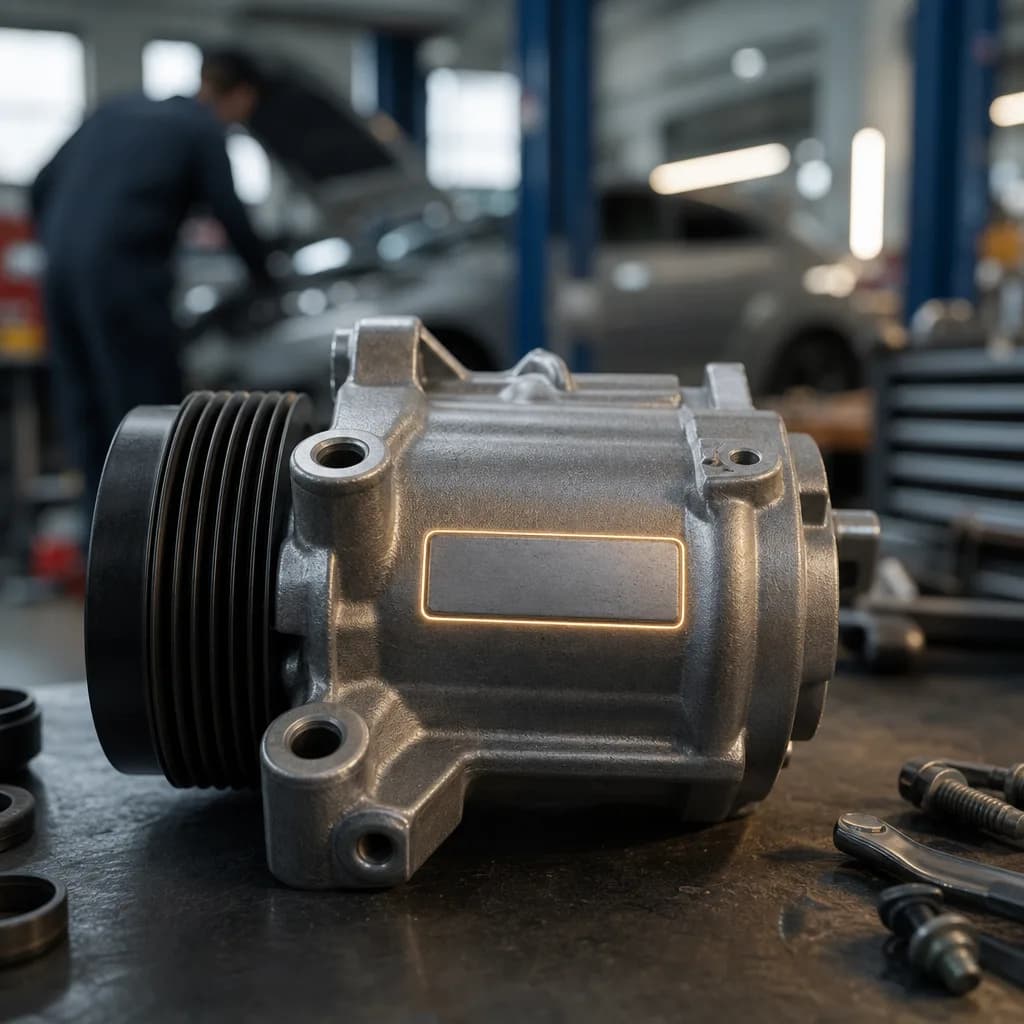 OEM Codes
Where to Find the OEM Number on Your Car Part (With Photos)
Your car's parts have a unique OEM number stamped or stickered on them. Learn exactly where to look on common parts like alternators, radiators, and sensors.
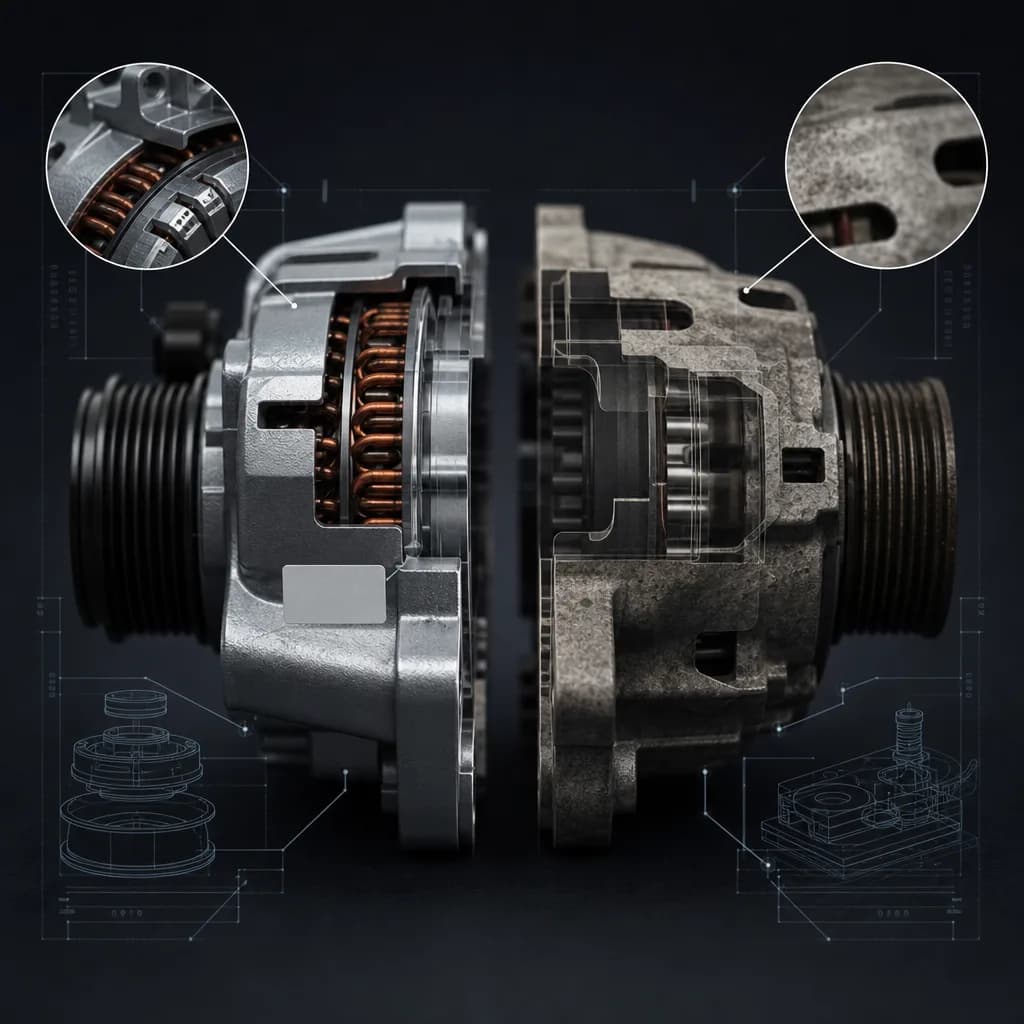 OEM Codes
How to Tell a Genuine OEM Part From a Fake When Buying Used
Avoid buying fake car parts. This guide shows you how to check OEM codes, packaging, and materials so you get a genuine used OEM part every time.
 OEM Codes
Why OEM Numbers Are the Universal Language of Used Car Parts
OEM numbers are the secret code to finding the perfect used car part. Learn how they work, why they matter, and how to use them for accurate fitment.