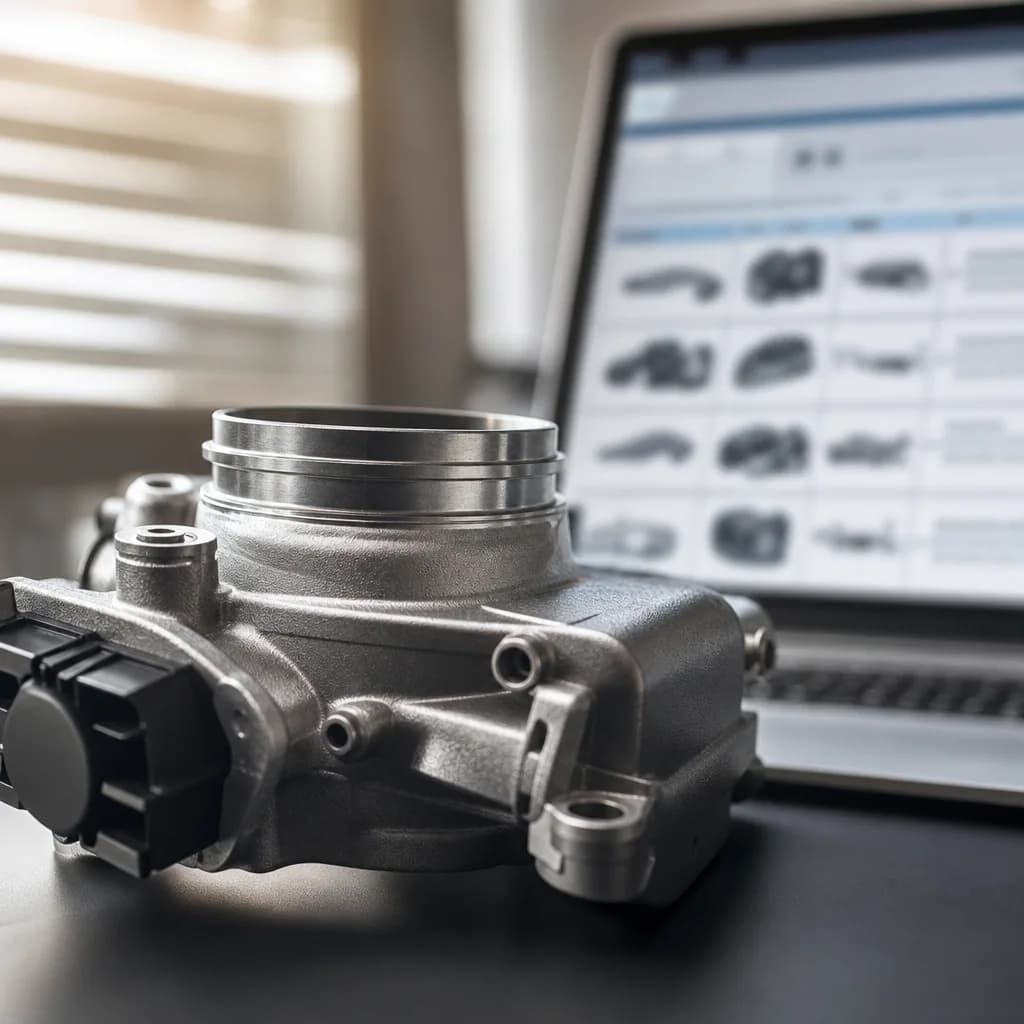

You order a part online, wait for delivery, and then it doesn't fit. Frustrating, right? Wrong parts cost you time, money, and peace of mind.
The hidden costs add up quickly. Return shipping, restocking fees, and lost labor hours. Most car owners don't realize how much a wrong part really costs until it happens.
Using OEM matching prevents these problems. It ensures you get the exact same part as the one originally fitted at the factory. No guesswork, no trial and error, just a perfect fit every time.
At Auto128, we help you find the right used genuine OEM part using the original OEM number. You can browse parts by brand to see how easy it is to match your vehicle.
What Is OEM Matching and Why Does It Matter?
OEM stands for Original Equipment Manufacturer. That means the company that made the part for your car when it was built. For example, if you drive a Honda, the OEM parts are made by Honda or its approved suppliers.
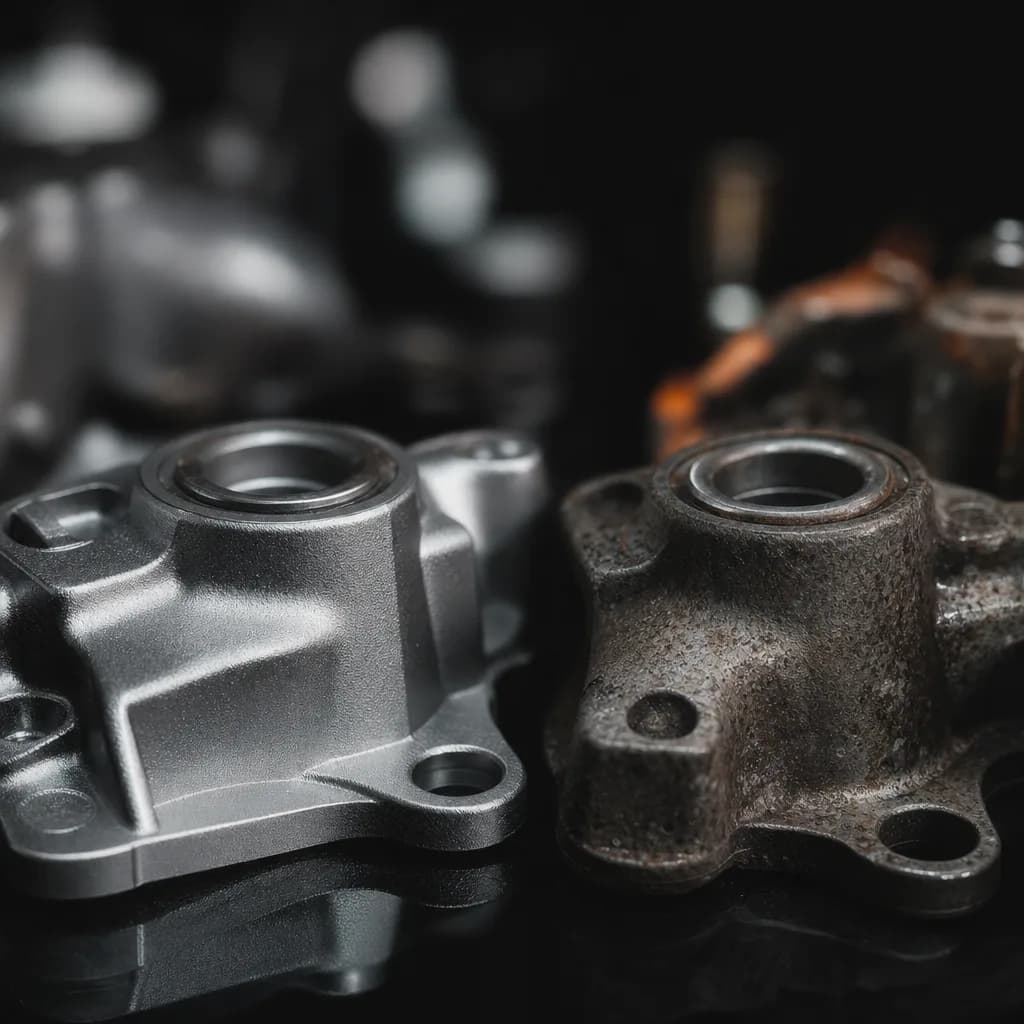
An OEM part is identical to the one that came from the factory. It has the same dimensions, materials, and performance. Aftermarket parts are made by third parties, often at lower quality.
OEM matching means you buy a part with the exact same OEM part number as your original. This number is printed on the old part or stamped into the metal. You can also find it in your vehicle's service manual.
When you match the OEM number, you eliminate guesswork. The part will bolt right in, no modifications needed. This saves you from returning parts and waiting again.
The True Cost of a Wrong Part
Buying a wrong part comes with hidden costs that go beyond the price tag. Let's break them down.
Direct Financial Losses
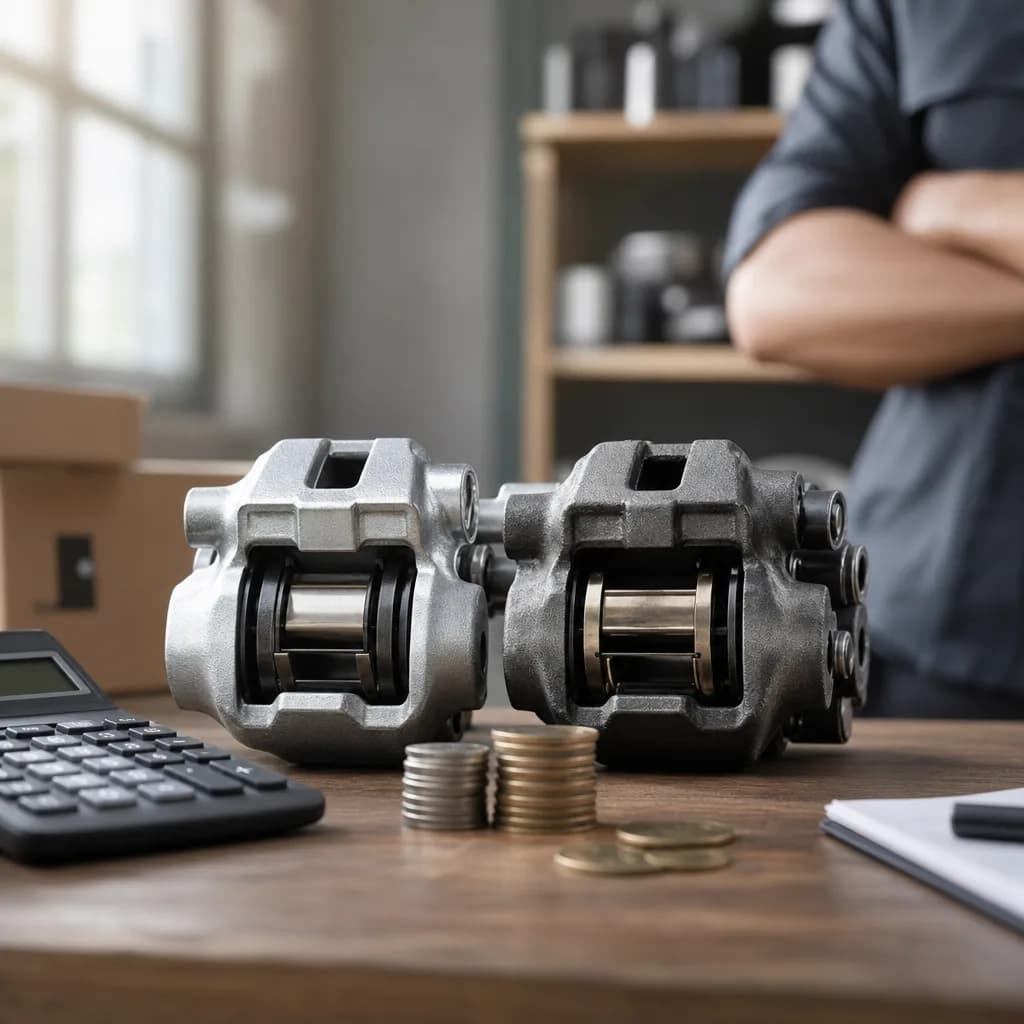
First, the part itself costs money. If it's wrong, you may not get a full refund. Many sellers charge restocking fees of 15 to 25 percent.
Return shipping also eats into your wallet. Heavy parts can cost $30 or more to send back. Some sellers only refund the part price, not the original shipping.
Lost Time and Labor
Time is money for DIYers and mechanics. You might spend hours removing the old part, then realize the new one doesn't fit. You also lose the labor you already did.
If your car is in the garage waiting for the right part, you may need a rental car. That adds another cost. For independent garages, wrong parts mean unhappy customers and lost future business.
Secondary Damage
Sometimes a poor-fitting part can cause damage. For example, a wrong brake rotor might rub against the caliper, wearing out other components. That leads to even more repairs.
Using an aftermarket sensor that sends wrong readings can confuse your car's computer. This may trigger warning lights and cause poor performance. The hidden cost is a visit to a dealership for diagnostics.
How to Use OEM Numbers to Get the Right Part
The easiest way to avoid wrong parts is to use the OEM part number. Here is a step-by-step guide.
Find the OEM Number on Your Car
Look at the old part you are replacing. Many parts have a sticker or engraving with a long number. This is the OEM number. Write it down carefully.
If you don't have the old part, check your owner's manual or look online. Websites like Toyota and BMW have parts diagrams for many models. Your VIN (vehicle identification number) can also help find the correct number.
Search with the OEM Number
Use the OEM number to search for parts on trusted websites. At Auto128, we specialize in finding used genuine OEM parts by number. You can see how Auto128 works to understand our simple process.
Type the number exactly as it appears. Do not add spaces or dashes unless they are in the original code. A small mistake can lead to the wrong part.
Verify Fitment
Even with the right OEM number, double-check that the part matches your car's year, make, and model. Sometimes the same OEM number fits multiple models, but not all. Use a fitment checker if available.
At Auto128, we confirm the exact fitment before shipping. We source from professional dismantlers across Europe, so you get the right part every time.
The Benefits of Buying Used Genuine OEM Parts
Used genuine OEM parts come from cars that have been recycled. They are removed, tested, and sold at a lower price than new OEM. But they offer the same quality and fit.
Big Savings Compared to New OEM
New OEM parts from a dealership can be very expensive. Used genuine OEM parts cost 30 to 50 percent less on average. For expensive parts like engines, the savings can be thousands of dollars.
You get the same manufacturer quality without paying new prices. It is like buying a certified pre-owned car instead of a brand new one. The part is just as good once installed.
Environmental Benefits
Reusing parts saves them from landfills. The European Union estimates that reuse reduces carbon emissions. It also conserves the energy needed to manufacture new parts.
By buying used OEM, you help reduce waste. It is a green choice that also saves you money. More car owners are choosing this route for both economic and eco-friendly reasons.
Peace of Mind with Warranty
Many used OEM parts come with a warranty. At Auto128, we offer a warranty on most parts. If something goes wrong, we help make it right.
You can also check our frequently asked questions page for details on warranties and returns.
Common Pitfalls When Ordering Parts and How to Avoid Them
Even with OEM numbers, mistakes happen. Here are common pitfalls and how to sidestep them.
Confusing OEM Numbers with Part Codes
Sometimes a part has multiple numbers: a manufacturer number, a supplier number, and an OEM number. Make sure you use the OEM number from the carmaker (like BMW or Ford). Other codes may refer to aftermarket versions.
If you are unsure, request a part on our site. Tell us your OEM code and your country, and we will find the right part for you.
Ignoring Vehicle Variants
A car model can have different versions: coupe, sedan, convertible, or with different engine sizes. The same OEM part may not fit all variants. Always check your car's VIN to be sure.
For example, a radiator for a BMW 3 Series sedan may not fit the convertible version. The shape and mounting points can differ.
Not Checking the Part Condition
Used OEM parts have varying levels of wear. Look for sellers who describe the part condition honestly. Ask about mileage, any damage, and whether it has been tested.
At Auto128, our dismantlers inspect each part. We only sell parts that are in good working order. See our about Auto128 page to learn more.
Sourcing OEM Parts from Europe: What to Expect
Auto128 works with professional dismantlers across Europe. We ship worldwide with customs handling included. Here is how the process works.
Search and Order
You search by OEM number or browse our catalog. Once you find the part, you place an order. We then match it with a dismantler who has the part in stock.
Tracking and Delivery
We handle export and customs paperwork. You get a tracking number so you know where your part is. Delivery usually takes 5 to 10 business days within Europe, and slightly longer overseas.
All shipments are tracked and insured. If your part gets lost or damaged in transit, we replace it or give a refund.
Customs Duties and Taxes
When buying from a European seller to another country, customs duties may apply. We handle the declaration to make it smooth. The cost of duties depends on your country's import rules.
We recommend checking your local customs office for rates. But we do our best to explain how Auto128 works so you know what to expect.
Real-Life Example: How OEM Matching Saved a DIY Mechanic
John, a DIY mechanic from the UK, needed a new alternator for his 2012 Volkswagen Golf. He ordered a cheap aftermarket one online. It arrived, but the connector was different. It didn't plug in.
He had to pay return shipping and wait for a refund. Then he found his OEM number (03L903023D) on the old part. He searched at Auto128 and found a used genuine OEM alternator. It arrived in five days and fit perfectly.
John saved money and learned the value of OEM matching. He now uses OEM numbers for every replacement.
Conclusion
The hidden cost of wrong parts goes beyond the initial purchase. It includes lost time, labor, and potential damage to your car. OEM matching with used genuine parts is the smart solution.
By using the OEM part number and buying from a trusted source like Auto128, you get the exact part your car needs. No guesswork, no returns, just a perfect fit. Start by browsing our parts by brand to see how easy it is.
Save yourself from hidden costs. Let OEM matching guide you to the right part every time.
Frequently asked questions
What is an OEM part number and where do I find it?
An OEM part number is a code from the carmaker that identifies the exact part. You can find it on the old part, in your owner's manual, or by searching with your VIN on the carmaker's website.
Can I use an OEM number to buy a used part from another car?
Yes, if the part has the same OEM number, it will fit your car. The part may come from a different vehicle of the same model and year. Always verify fitment with the seller.
What if I can't find the OEM number on my part?
You can use your VIN to look up the correct part on websites like Auto128 or your carmaker's parts portal. Alternatively, you can contact us with your car details and we will help find the number.
Are used OEM parts as good as new ones?
Yes, used genuine OEM parts are the same quality as the original part. They are tested and often come with a warranty. They are a great way to save money without sacrificing quality.
How does Auto128 handle customs and shipping?
We handle all export paperwork and provide a tracking number. Customs duties in your country are your responsibility, but we ensure the part is shipped legally and safely.