
Buying a used car part can save you a lot of money. But you need to make sure it is genuine.
A genuine OEM part is made by the same company that made your car. A fake part is not. Fake parts can break faster and cause damage.
This guide shows you how to tell the difference. You will learn to check the OEM code, the packaging, and the material quality.
Why Genuine OEM Parts Matter
OEM stands for Original Equipment Manufacturer. That means the part comes from the same factory that built your car.
Genuine OEM parts fit perfectly. They work like the original. They last as long as the factory part.
Fake parts are cheaper for a reason. They use lower quality materials. They may not fit right. A bad part can damage other parts of your car.
For example, a fake brake pad can overheat and fail. A fake alternator may not charge the battery. You risk your safety and your wallet.
When you buy used genuine OEM parts from Auto128, you get the real thing. We source parts from professional dismantlers across Europe.
You can browse parts by brand to see what we have. Every part is checked for fitment before it ships.
Step 1: Check the OEM Code
The OEM code is the part number. Every genuine part has one. It is a set of letters and numbers.
For example, a genuine BMW brake disc might have the number 34216761283. You can find it on the part itself or the box.
Fake parts often have a wrong code. The code might be missing. Or it may look blurry or scratched.
Compare the code with the one in your car manual or on parts websites like tecdoc.net. If the code does not match, the part is likely fake.
When you order from Auto128, we ask for the OEM code. You can request a part with the exact code you need. We find it from our network of dismantlers.
Where to Find the OEM Code
The OEM code is usually printed on a sticker. Look on the part itself, like the side of an alternator or the back of a headlight.
It may also be stamped into the metal. For example, a brake caliper often has the code cast into the body.
If you can not find a code, the part may be aftermarket or fake. Genuine OEM parts always have a code somewhere.
How to Verify the Code
Search the code on Google. You should see part listings from OEM suppliers or car forums.
You can also use a parts database. The Auto128 team checks every code before shipping. We confirm the part matches your vehicle.
Fake parts often have codes that do not show up in any search. Or they point to a different model.
Take a photo of the code and compare it to known OEM parts. Look for proper font and spacing.
Counterfeiters often make mistakes. The code might have a wrong digit. Or the print quality is poor.
Step 2: Inspect the Packaging
Genuine OEM parts come in branded packaging. The box has the car maker's logo. It may have a hologram or security seal.
Fake parts often come in plain white boxes. Or the logo looks off-center or blurry. The colors may be wrong.
Look at the label. A genuine label has clear text. The barcode scans correctly. The paper feels high quality.
Fake labels are often printed on cheap paper. The ink may smudge. The barcode may not scan.
Some brands use special features. Toyota uses a hologram sticker. BMW uses a QR code you can scan with your phone.
If the packaging looks worn or old, that is normal for a used part. But the label should still be clear and legible.
Check the Box for Wear
Used parts come from dismantled cars. The box may have some wear. But a genuine used part from Auto128 is tested and cleaned.
The label should not be removed or tampered. If the label is torn or glued over, be suspicious.
Compare the part number on the box to the code on the part itself. They must match exactly.
Look for Security Seals
Many genuine OEM parts have a seal or sticker that breaks if opened. Fake parts often lack this.
Some brands put a date code or a batch number on the seal. Check if it looks professional.
If you buy used from Auto128, the part may come without the original box. That is okay. We still verify the code and condition.
We include a packing slip with the part info. You can see how Auto128 works to understand our inspection process.
Step 3: Examine the Material and Build
Genuine parts are made with high-quality materials. They feel solid. The plastic is smooth and even.
Fake parts often use cheap plastic. It may feel brittle. You might see rough edges or flash marks from a bad mold.
Metal parts should have a consistent finish. Genuine brake rotors are smooth. Fake ones may have grinding marks or uneven surfaces.
Rubber parts like hoses should be flexible but strong. Fake rubber smells like chemicals. It may crack easily.
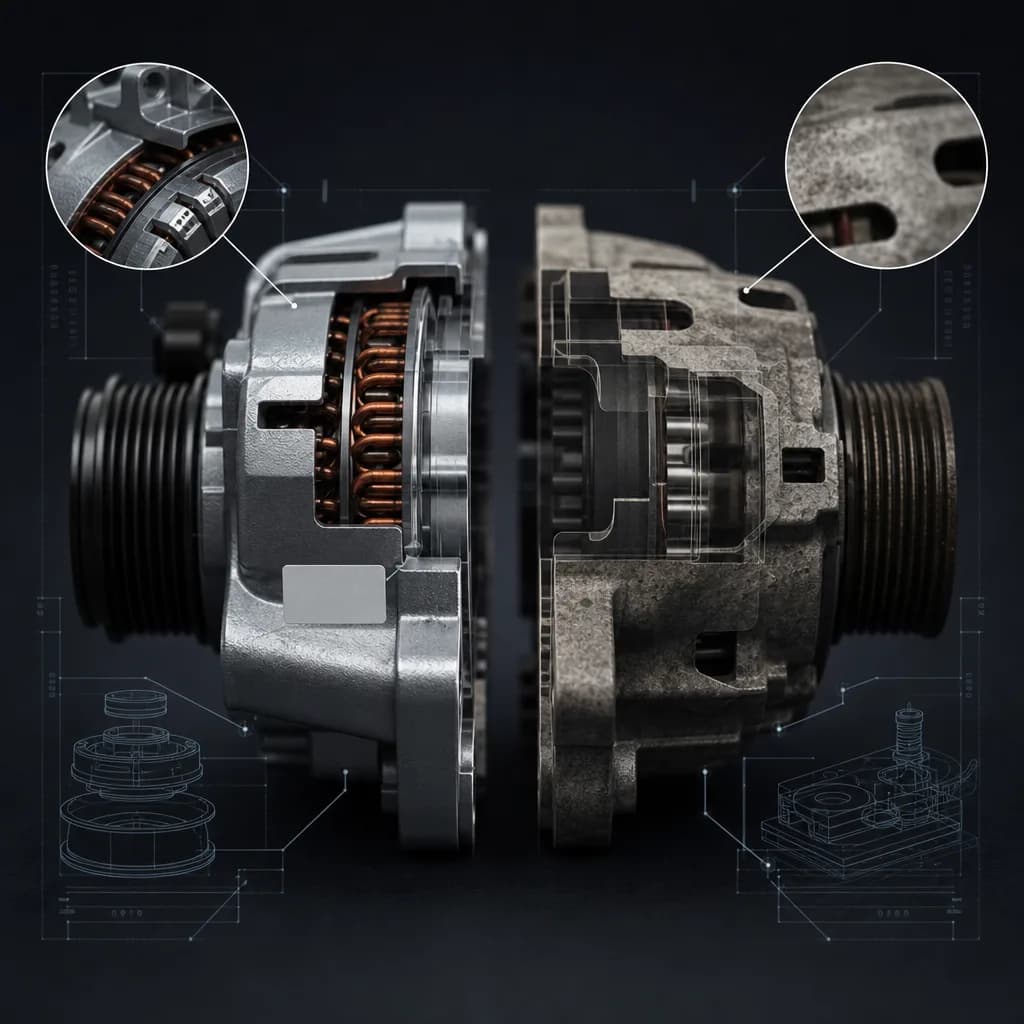
Weight is a good clue. A genuine alternator is heavier than a fake one because of better copper windings. A fake strut mount may feel hollow.
When you browse parts by brand, we list the part's condition. Look for descriptions like "tested and working".
Compare to Photos Online
Search Google Images for the genuine part. Look at the color, texture, and markings.
Fake parts often differ in small ways. The grain of plastic may be off. The color of a connector might be lighter.
Pay attention to logos. A genuine OEM part has the brand logo engraved or embossed. Fake logos are often painted or stickered.
For example, a genuine Bosch alternator has a laser-etched logo. A fake may have a cheap sticker.
Check for Wear Marks
Used genuine parts have normal wear. You might see slight scratches or dust. That is fine.
But fake parts may show unusual wear. The plastic may be discolored. The metal may rust faster.
If the part looks too new but has a low price, be careful. Counterfeiters often make new parts look used to hide poor quality.
Step 4: Ask About the Source
Always buy from a trusted seller. Professional dismantlers know how to pick genuine parts.
Auto128 works only with certified dismantlers across Europe. We check each part before it ships.
If you are not sure, ask the seller where they got the part. A trustworthy seller will tell you the car model and year the part came from.
They should also have photos of the actual part. Not generic stock photos.
When you request a part, we send you photos of the actual part for approval.
Look for Documentation
Some dismantlers include a certificate of authenticity. This shows the part came from a known source.
Auto128 provides a receipt with the OEM code. You also get a tracking number for the shipment.
We handle all customs paperwork. So your part arrives smoothly.
If a seller avoids giving details, that is a red flag. Always ask for photos and the OEM code.
Read Reviews
Check online reviews of the seller. Look for complaints about fake parts or poor fitment.
Auto128 has positive feedback from car owners and mechanics. You can read about our service on our about page.
We also offer a fitment guarantee. If a part does not fit, we help find a solution.
Step 5: Use Your Senses
Sometimes you can spot a fake just by smell. Genuine plastic parts have a mild scent. Fake plastic smells like strong chemicals.
Rubber parts from genuine OEM have a slight rubber smell. Fake rubber may smell like stale oil or sulfur.
Listen to the part. Tap a plastic cover. Genuine parts make a solid sound. Fake parts sound hollow or tinny.
Feel the surface. Genuine parts have a consistent texture. Fake parts may feel rough or sticky.
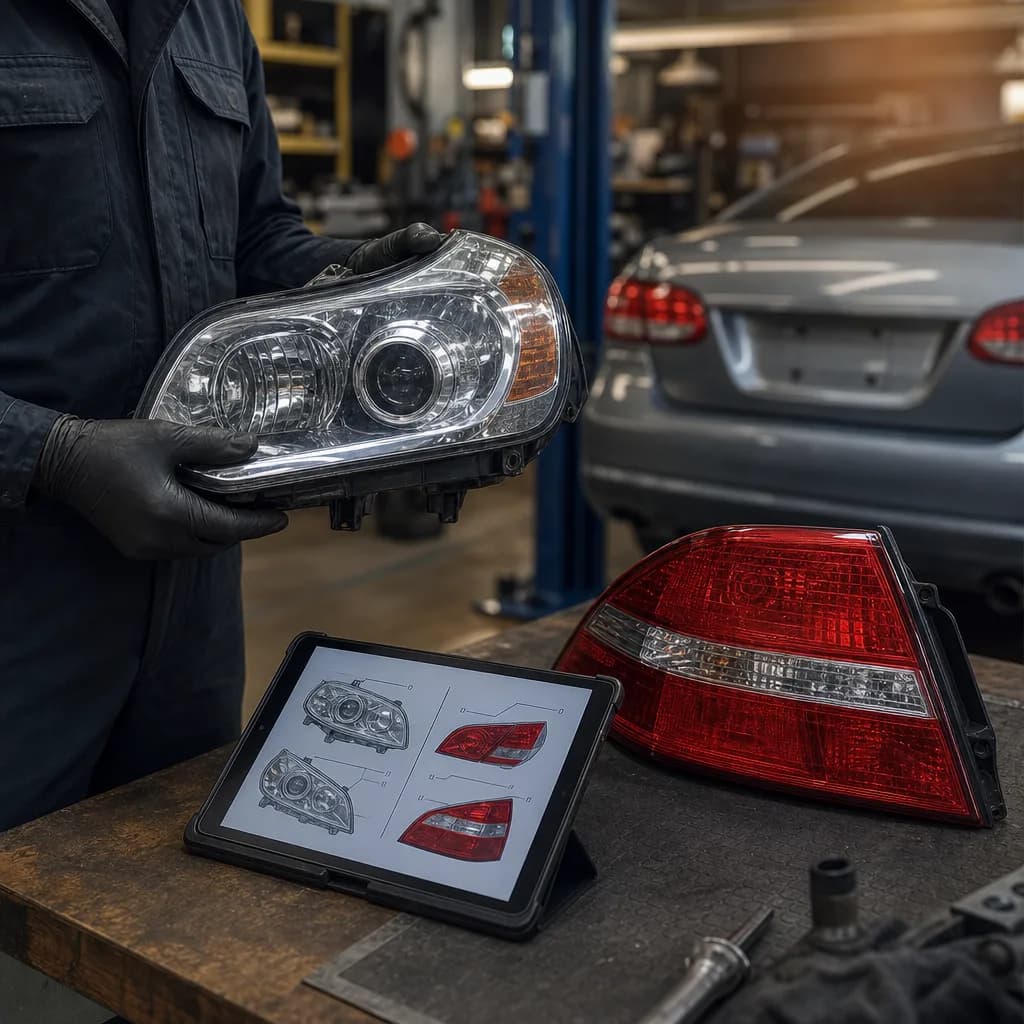
These tips work for many car parts. For example, a genuine headlight housing feels thick. A fake one feels thin and flexes easily.
What About Aftermarket Parts?
Aftermarket parts are not OEM. But they can be good quality. Brands like Bosch, Denso, and Valeo make parts for many cars.
Aftermarket parts have their own part numbers. They are not the same as OEM codes.
Fake parts often pretend to be OEM. They copy the OEM code and packaging.
If you want a genuine OEM part, stick to the original code. Auto128 helps you search by OEM code to find the right part.
Aftermarket is a choice. But genuine OEM gives you the original fit and performance.
Why Used Genuine OEM Is a Smart Choice
New OEM parts can be expensive. Buying used from a trusted source saves you 50% or more.
Used OEM parts still have plenty of life. A used alternator from a 2015 car can run for years.
You get factory quality at a much lower price. Plus you help reduce waste by reusing parts.
Auto128 sources parts from Europe. We handle the export and customs. You get the part shipped to your door.
We check the fitment before shipping. So you know the part will work.
If you have questions, check our frequently asked questions. Or contact us to start your search.
By learning these five steps, you can avoid fake parts and buy with confidence. Stick with genuine OEM codes and trusted sellers.
Frequently asked questions
What is an OEM code and where can I find it?
An OEM code is a part number given by the car manufacturer. It is usually printed on a sticker on the part or stamped into the metal. You can also find it in your car manual or on parts websites.
Are used OEM parts from Auto128 guaranteed to be genuine?
Yes. We source from professional dismantlers and check each part's OEM code and condition before shipping. We provide photos and a fitment guarantee.
What should I do if the part I receive looks fake?
Contact us immediately. We will investigate and offer a solution. Our service includes a fallback guarantee for genuine issues.
Can I spot a fake part by the packaging alone?
Often yes. Genuine parts have clear logos, security seals, and high-quality labels. Fake packaging may have blurry print, wrong colors, or missing codes.
How much money can I save by buying used genuine OEM parts?
You can save 50% or more compared to new OEM parts. For example, a used alternator might cost half the price of a new one while offering the same quality.