
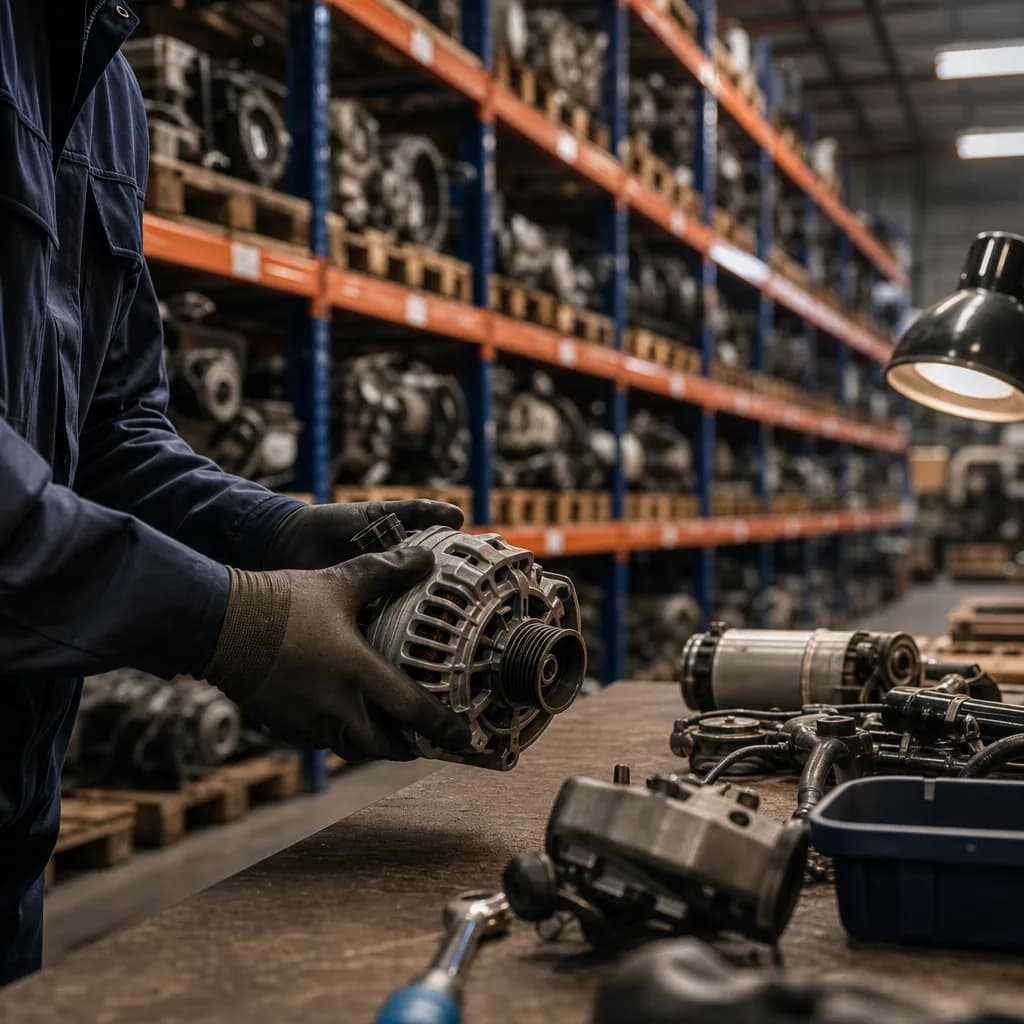
Buying a used car part can save you a lot of money. But you need to ask the right questions first.
This guide helps you talk to a dismantler like a pro. You will learn what to ask before you pay.
Why Ask Questions?
A dismantler is a professional who takes cars apart. They sell the usable parts.
Not all dismantlers are the same. Some are very careful. Others may not be.
Asking questions protects your money. It also makes sure you get the right part.
Save Time and Frustration
Returning a used part is hard. It costs time and shipping money.
Getting the wrong part means your car stays broken. That is frustrating.
A few questions now can save you headaches later.
1. Ask for the Exact OEM Code
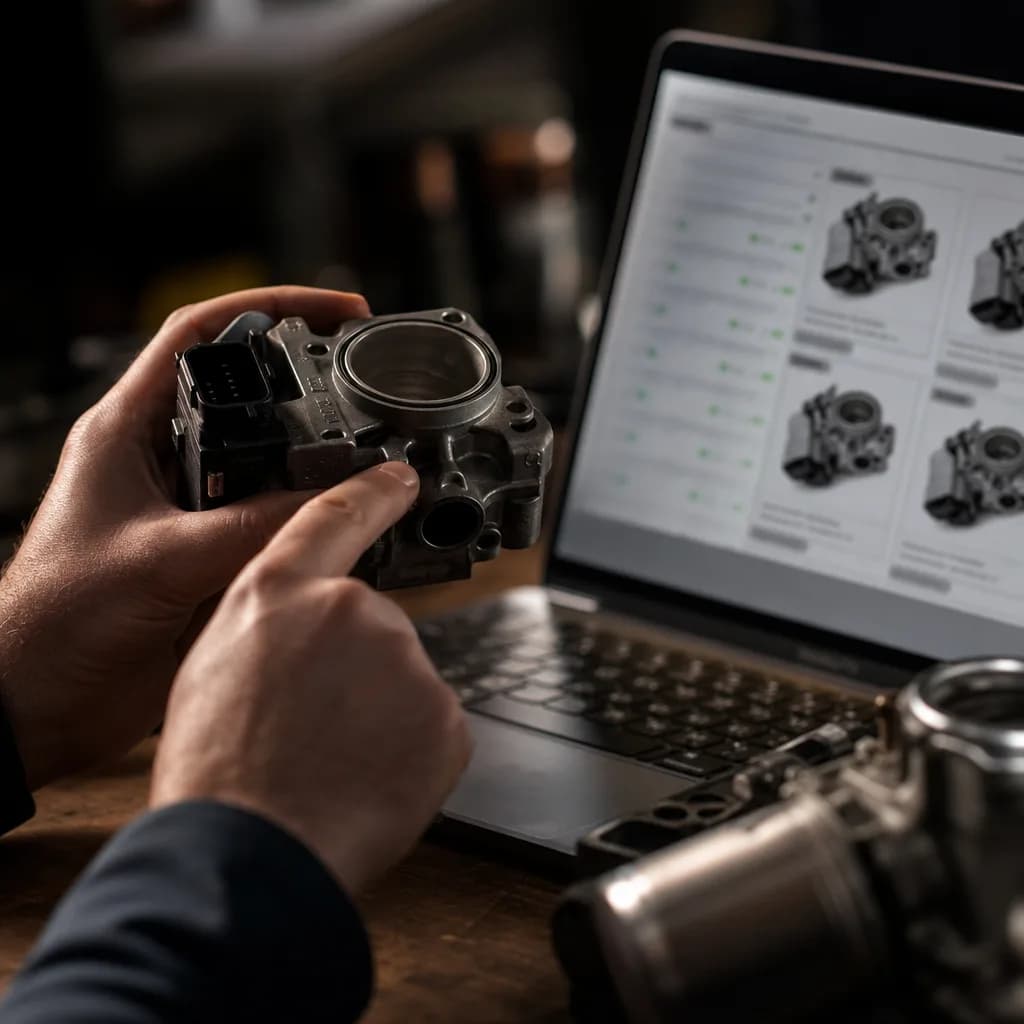
Every car part has a unique number. This is the OEM code, or part number.
You can find it on your old part. Or look it up online for your car model.
Never just say "brake caliper for a 2015 Golf." Give the exact number.
Ask the dismantler: "Can you confirm the part number matches my OEM code?"
This is the most important step. On browse parts by brand listings, you can see the code.
How to Find Your OEM Code
Look on the part itself. It is often a sticker or stamped letters.
You can check your car's manual. Or use online databases like TecDoc.
Your vehicle identification number (VIN) can also help. The VIN is your car's unique ID.
Write the code down before you call a dismantler.
2. Ask About Condition and Damage
Used parts can have wear. Ask for a clear description.
Does it have rust? Is it dented? Are the seals torn?
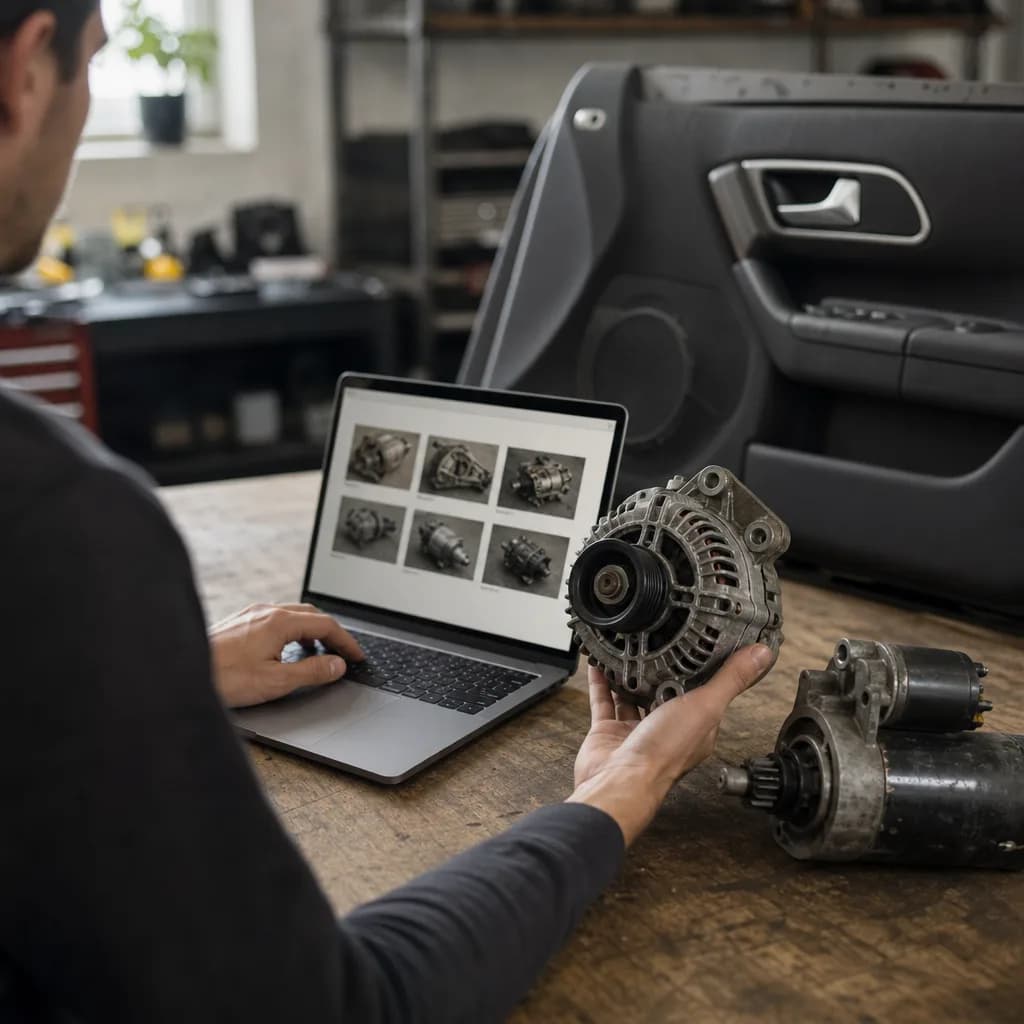
Get the dismantler to send photos. Look at the part from all sides.
Some parts like electronics can fail. Ask: "Has this been tested?"
On how Auto128 works, we verify parts before sending them.
Common Wear Issues
- Cosmetic scratches or paint chips.
- Rust on metal parts like brake discs.
- Faded plastic from UV light.
- Worn rubber seals or gaskets.
For mechanical parts like alternators, ask if they work. A simple test can confirm.
If the part is fragile, ask how it will be packed.
3. Ask About Fitment and Compatibility
Just because a part looks the same does not mean it fits. Car makers change parts during a model year.
For example, a 2016 Ford Focus might have two different radiators. It depends on the engine.
Give the dismantler your car's VIN. They can check fitment using Eurodata or similar systems.
Ask: "Will this part definitely fit my car? What if it does not?"
Good dismantlers will guarantee fitment. Our frequently asked questions cover this.
Check Submodel and Engine
Your car may have a different engine size. The part might be for a sport version.
Tell the dismantler: make, model, year, engine size, and trim level.
For example: "2018 Volkswagen Golf 1.4 TSI with automatic gearbox."
This helps them find the right part every time.
4. Ask About Warranty and Returns
Used parts can fail. That is why a warranty matters.
Many dismantlers offer 30 days. Some give 90 days or more.
Ask: "Do you offer a warranty on this part? What does it cover?"
Also ask: "What is your return policy? Who pays for return shipping?"
A fair policy lets you return a part if it does not fit or is damaged.
Avoid sellers who say "no returns." That is a red flag.
Return Shipping Costs
Returning a heavy part like an engine can cost 50 euros or more.
Ask if the dismantler covers return shipping for faults. Some do.
If the part is not as described, they should pay. If you changed your mind, you might pay.
Get the policy in writing. A simple email is enough.
5. Ask About Shipping and Time
Parts can be big and heavy. Ask about shipping costs upfront.
Also ask: "How long will it take to arrive?"
For international orders, ask: "Do you handle customs paperwork?"
On about Auto128, you can see we manage export and customs.
Get a tracking number. This lets you follow the package.
Check Shipping Damage Policy
If the part arrives broken, who pays? Ask the dismantler.
Good packaging reduces risk. But accidents happen.
Some dismantlers insure the package. Ask about insurance.
A photo of damage at delivery helps your claim.
6. Ask for a Written Invoice
A professional dismantler will give you a receipt. It should list the part number, price, and date.
This document proves you paid. It is useful for warranty claims.
Ask: "Can you send me an invoice by email?"
A proper invoice shows they are a real business. Avoid sellers who cannot.
Payment Methods
Use a credit card or PayPal. These offer buyer protection.
Bank transfers can be riskier. It is harder to get your money back.
We accept card payments on our platform for safety.
7. Ask About Their Inventory System
Some dismantlers have a live inventory. Others check manually.
Ask: "Is the part actually in stock? Can you hold it for me?"
A system that updates fast is better. You do not want to order a part that is gone.
If they need to check, ask them to confirm in writing.
Our inventory is updated daily. You can see real-time stock on the site.
8. Ask for References or Reviews
A good dismantler has happy customers. Ask: "Can you show me reviews?"
Check Google or Facebook for their business page.
Look for reviews that mention part quality and shipping time.
Be wary of a dismantler with no online presence.
You can ask for a reference from a garage. Many repair shops have preferred suppliers.
Check Their Website
A professional dismantler has a website with contact details. Look for an address and phone number.
Scammers often use only email or social media. A real business is easy to reach.
Our platform connects you with vetted dismantlers across Europe.
9. Ask About the Part's History
Where did the part come from? Was it in a crash? Did the car have high miles?
Ask: "What car was this part removed from?"
Parts from low-mileage cars are usually better. Ask for the mileage of the donor car.
If the donor car was written off, check the type of damage.
A front impact might affect a radiator. But a rear impact is safe for front parts.
10. Ask About Environmental and Legal Compliance
In Europe, dismantlers must follow waste laws. They need to handle fluids and batteries correctly.
Ask: "Are you licensed to dismantle cars?"
Buying from a licensed dismantler ensures the part was taken properly. It also helps the environment.
You can check their license with local authorities.
Reputable dismantlers are proud of their compliance.
Putting It All Together
When you contact a dismantler, have your car details ready. Write down the OEM code, VIN, and your questions.
A good dismantler will answer quickly and clearly. They will not rush you.
If a seller is vague or avoids questions, walk away. There are plenty of honest sellers.
Using a service like ours makes the process easier. We vet dismantlers and handle shipping.
If you need a specific part, request a part and we will find it for you.
Always trust your gut. If something feels off, look elsewhere.
With these questions, you can buy used parts with confidence. You will save money and get your car fixed right.
Frequently asked questions
What is an OEM code and why does it matter?
An OEM code is the part number given by the car manufacturer. It ensures you get the exact part made for your vehicle. Always ask the dismantler to confirm this code before buying.
Can I return a used car part if it doesn't fit?
It depends on the seller. Always ask about the return policy before paying. A good dismantler will accept returns for fitment issues, but you may need to pay return shipping.
How do I know a used part will work?
Ask if the part has been tested. For electrical parts, request a test report. Mechanical parts should be inspected for wear. Many dismantlers offer a warranty for peace of mind.
What should I do if the part arrives damaged?
Take photos immediately. Contact the dismantler and the shipping company. A good seller will have insurance and send a replacement or refund.
Is it safe to pay by bank transfer?
Credit cards or PayPal offer buyer protection. Bank transfers are riskier because it's harder to get your money back. Use a protected payment method when possible.