
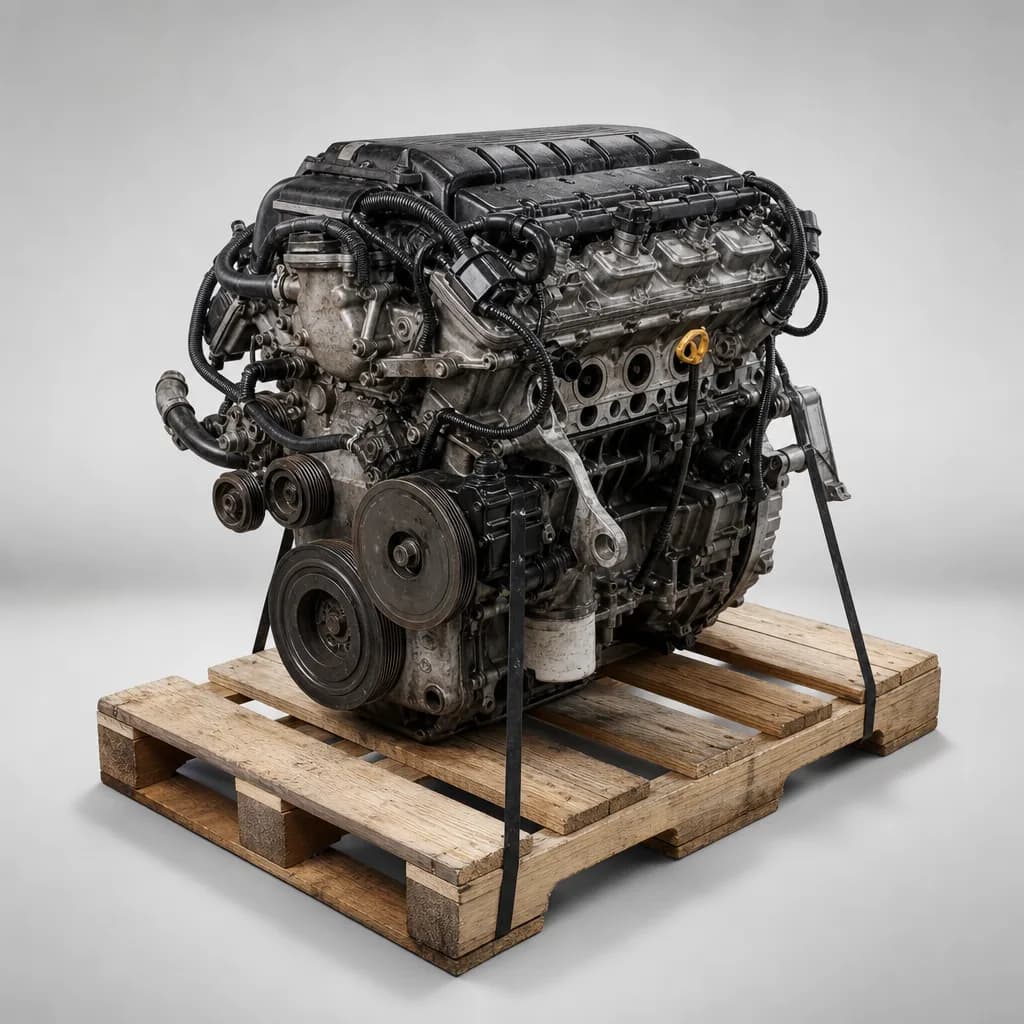
Your car's engine fails and a new one costs more than the car is worth. That is when a used engine looks like a good idea.
A used engine can save you a lot of money. But you must buy the right one or you will waste time and cash.
This guide shows you exactly how to buy a used engine. You will learn about part numbers, fitment, and how to get a good deal from trusted sources.
Why Buy a Used Engine?
New engines are expensive. A brand new engine from a dealer can cost thousands of dollars.
A used engine from a wrecked car often works perfectly. It can cost half as much or even less.
Many good used engines come from low-mileage cars in accidents. The engine is fine but the car is not.
Buying used also helps the planet. It keeps parts in use and reduces waste.
Know Your Engine Number
Every car has a unique engine code. This code is like a fingerprint for your engine.
You can find the engine code on a sticker under the hood. It is also in your owner's manual.
The code is often stamped on the engine block itself. It might be on the side or near the oil pan.
Your VIN (Vehicle Identification Number) can also help. The eighth character of the VIN often tells the engine type.
Wikipedia explains VIN decoding in simple terms. Use it to check your engine code.
Write down the code and compare it to any used engine you want. This is the most important step.
Match the Part Numbers
OEM stands for Original Equipment Manufacturer. That means the part is made by the car maker, not a third party.
Every factory engine has an OEM part number. This number is on a sticker or tag on the engine.
You can also find the OEM number in a parts catalog. Online databases let you search by your car model and year.
When you look at a used engine, ask the seller for the OEM number. Compare it to your original part number.
If the numbers match exactly, the engine should fit your car. But there are still other things to check.
What Is an OEM Code?
An OEM code is a series of letters and numbers. It tells the exact specification of the part.
For example, a Toyota engine might have code 2AZ-FE. A BMW may have N52 or B58.
These codes include details like displacement, fuel type, and year of production.
If you buy the wrong code, the engine might not bolt in. The wiring connectors could be different, or the intake manifold may not fit.
Toyota's official parts site can help you decode your engine number.
Check Fitment Beyond the Number
Even if the engine code matches, there can be small differences. Accessories like the alternator or air conditioner might be different.
The engine may come from a car with a different transmission. Make sure the bellhousing bolt pattern is the same.
Sensors and emissions equipment can vary. A California-spec engine may have extra parts compared to a federal one.
Ask the seller for the original car's VIN. You can cross-check parts using that number.
If you are unsure, ask a mechanic. A few minutes of checking saves a lot of trouble later.
Where to Buy a Used Engine
You have several options. Each has its pros and cons.
From a Salvage Yard
Local scrap yards sell used engines. You can see the engine in person and check its condition.
But they may not have a warranty. You take the risk if it fails.
Some yards pull the engine for you. Others expect you to remove it yourself.
From a Dismantler Online
Professional dismantlers specialize in taking cars apart. They test parts and offer warranties.
You can search by OEM code and buy from trusted sellers. Many ship anywhere in the world.
This is where a service like browse parts by brand on Auto128 helps. You can find used genuine OEM parts grouped by make and model.
Online Marketplaces
eBay and other sites have many used engines. Prices can be low, but quality varies.
Check the seller's ratings. Read reviews carefully. Look for sellers who have been around for a while.
Always ask for compression test results. A good engine should have all cylinders within 10 percent of each other.
Ask about mileage. Lower miles usually mean less wear, but age also matters.
Consumer Reports offers tips on buying used car parts online.
Questions to Ask Before Buying
Never buy a used engine without asking these questions first.
- Does the engine run before removal? If yes, ask for a video.
- What is the mileage? Service history helps a lot.
- Was the engine from a car with rear or front damage? Rear damage often means less engine impact.
- Do you have compression and leak down test results?
- Is the warranty included? Most good sellers offer 30 to 90 days.
- Are there any known issues like timing chain noise or oil leaks?
Get answers in writing. A reputable seller will not mind.
Shipping and Customs
If you buy from another country, shipping adds cost. Ask for a quote before you pay.
Engines are heavy. Freight can cost a few hundred dollars depending on distance and weight.
Customs duties may apply. Check with your local customs office or ask the seller.
Some sellers handle customs for you. Others expect you to pay the taxes.
For example, Auto128 explains how they handle shipping and customs on their how-it-works page.
Make sure the engine is properly crated. It should be on a pallet with oil drained and secured.
Ask for tracking number. You should know where your engine is at every step.
Inspecting the Engine When It Arrives
When the engine arrives, inspect it right away. Do not sign off until you look at it.
Check for damage from shipping. Look for cracks, broken parts, or oil leaking.
Remove the valve cover and look inside. It should be clean without sludge.
Turn the crankshaft by hand. It should spin smoothly without grinding.
Check the oil for metal shavings. Shiny particles mean internal wear.
If anything looks wrong, contact the seller immediately. Do not install a questionable engine.
Installation Tips
Installing a used engine is a big job. If you are not experienced, hire a mechanic.
Replace all fluids before starting. Use new oil, coolant, and filters.
Swap over your old sensors and accessories if needed. They are often specific to your car.
Inspect the timing belt or chain. If it looks old, replace it now. It is much easier on the stand.
Prime the oil system before first start. Remove the fuel pump fuse and crank the engine until oil pressure builds.
Check for leaks after the first drive. Retorque bolts after a few heat cycles.
For more details, check the Auto128 FAQ page for answers on fitment and fallback guarantees.
Common Problems with Used Engines
Even with care, issues can appear. Know what to look for.
Low Compression
Low compression means the engine will not run well. It can be caused by worn rings or valves.
A seller should provide compression numbers. If they do not, walk away.
Oil Leaks
Old seals can leak. Rear main seal leaks are common and expensive to fix.
Ask if the seller replaced any seals. A good seller might replace the rear main seal before shipping.
Timing Issues
Interference engines can bend valves if the timing belt breaks. Ask if the belt was changed.
If the engine has timing chains, listen for rattles. Chain noise is a bad sign.
Hidden Damage
Some engines come from flood cars. Water damage can ruin electronics.
Look for rust or mud residue inside the engine. That is a red flag.
How Auto128 Helps You Buy Safely
Auto128 connects you with professional dismantlers across Europe. They source used genuine OEM parts with verified part numbers.
You can search by OEM code and see exactly what fits your car. The system checks your VIN and confirms fitment.
Shipping is handled with tracking and customs clearance. You know where your part is at all times.
If you have a specific engine in mind, request a part through the contact page. Just tell them the OEM code and your country, and they will find it and deliver it.
Auto128 also offers support if something is wrong. They work with reliable sellers to minimize risks.
To learn more about the company, read the about page for details on why buying used genuine parts is safe.
Final Checklist
Before you buy a used engine, go through this list.
- Get the engine code from your car.
- Find the OEM part number.
- Ask the seller for the same codes.
- Confirm fitment with your VIN.
- Ask for compression test results.
- Get a warranty in writing.
- Check shipping costs and customs.
- Inspect the engine upon delivery.
- Install correctly with new fluids and gaskets.
If you follow these steps, you will save money and get a good engine that lasts.
Frequently asked questions
How do I know if a used engine will fit my car?
Match the OEM engine code and the part number from your original engine. Also check the VIN to be sure. Ask the seller for the original car's details.
Should I buy a used engine without compression test results?
No. Always ask for compression numbers. All cylinders should be within 10 percent of each other. No test results means higher risk.
What warranty should I expect on a used engine?
Most professional sellers offer 30 to 90 days. Some longer. Get the warranty terms in writing. Without a warranty, you take all the risk.
Can I ship a used engine overseas?
Yes, many sellers ship worldwide. Ask about freight cost and customs duties. Make sure the engine is properly crated and you have tracking.
What if the used engine arrives damaged?
Inspect it immediately. Take photos of damage. Contact the seller right away. Do not install it until you resolve the issue.