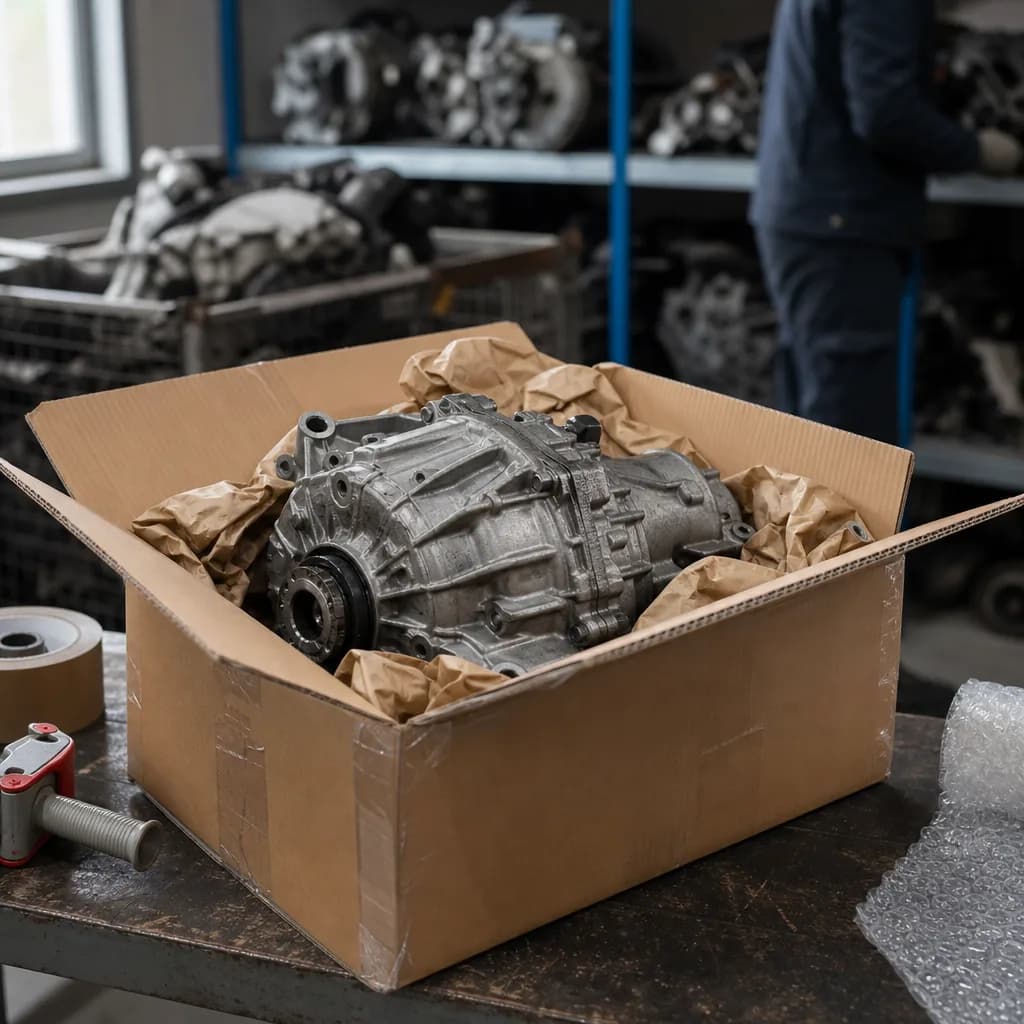

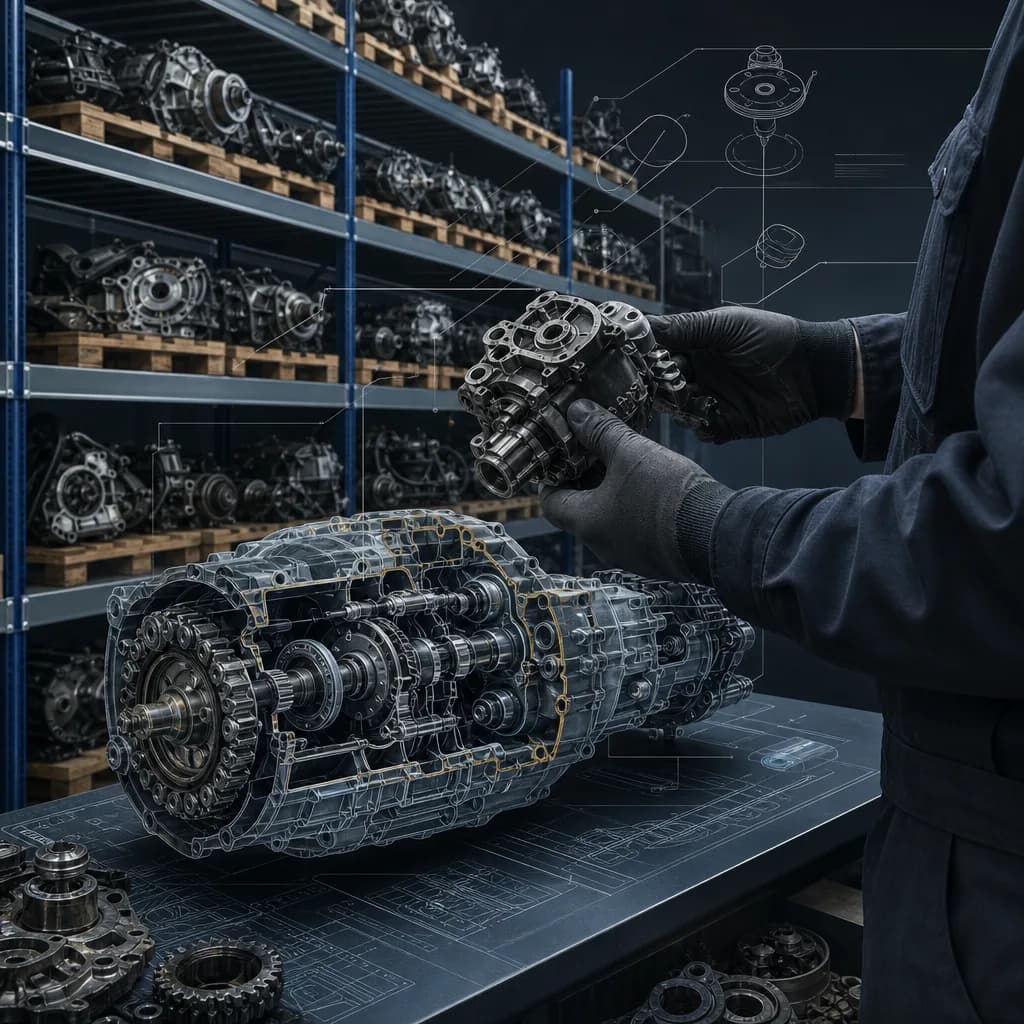
When you buy a used OEM part, you want it to work like new. Professional dismantlers test each part to ensure it functions correctly.
They also grade parts based on condition. This helps you know what you are getting before you buy.
This article explains how dismantlers test and grade used parts. You will learn what the grades mean and what to look for.
Knowing this helps you buy with confidence on Auto128, where we list tested parts from trusted dismantlers.
Why Testing and Grading Matter
Used parts are not all the same. Some are nearly perfect. Others have wear or minor damage.
Testing checks that a part works. Grading tells you its cosmetic and functional condition.
Together, they reduce risk. You get a part that fits and works, saving money over new.
Good dismantlers follow industry standards. Many follow guidelines from SAE International for testing.
The Testing Process: What Dismantlers Do
Testing varies by part type. Below are common tests for engines, transmissions, electronics, and more.
Engine and Mechanical Parts
Dismantlers first inspect engines visually. They check for cracks, rust, or leaks.
They measure compression with a gauge. Good compression means the engine is healthy.
They check oil pressure and listen for unusual noises. A smooth run without smoke is a good sign.
Starter motors and alternators are bench-tested. They spin them under load to confirm they produce power.
Transmissions and Driveline
Automatic transmissions are tested on a machine. The machine shifts through all gears.
Manual transmissions are spun and checked for gear whine or hard shifting.
Axles and differentials are rotated. They look for leaks and smooth operation.
Driveshafts checked for balance. Unbalanced ones cause vibrations.
Electronic and Sensor Parts
ECUs (engine control units) are plugged into a test rig. The rig simulates a running car.
Dismantlers read error codes. They clear them and check that no new codes appear.
Sensors like MAF or oxygen sensors are tested with a multimeter. They compare readings to factory specs.
Wiring harnesses are checked for continuity and shorts. Broken wires are repaired or rejected.
Most electronics come with a 30-day or longer warranty. This covers failures after installation.
You can request a part with confidence knowing we connect you to tested parts.
How Grading Works: A, B, C, and Scrap
Dismantlers grade parts from A (best) to D (scrap). The grade affects price and warranty.
Grade A: Like New
Grade A parts show little to no wear. The surface is clean, no scratches or dents.
Mechanical parts are fully functional. Electronics work perfectly.
These parts often come from low-mileage vehicles. They may still have factory paint or labels.
Expect a higher price, but still 30-60% less than new OEM.
Grade B: Good Condition
Grade B parts have minor cosmetic flaws. Small scratches or light rust are acceptable.
Function is still perfect. They work as intended.
These are the most common grade. They offer the best balance of cost and quality.
Most warranties cover these parts the same as Grade A.
Grade C: Fair Condition
Grade C parts have noticeable wear. They may have dents, faded paint, or moderate rust.
Function is still okay, but they may not look pretty. For hidden parts, this saves money.
Example: a used alternator that works but has a rusty casing.
Price is lower. Warranty may be shorter, often 30 days.
Grade D: Scrap or Core
Grade D parts are for rebuild or recycling. They do not work or are incomplete.
They are not sold as functional parts. Dismantlers send them to recyclers.
Do not buy Grade D for installation. Only buy if you need a core to rebuild.
Grading Specific Part Categories
Some parts have unique grading criteria. Here is a breakdown.
Body panels: Grade A = no dents or rust, original paint. Grade B = minor dents fixable. Grade C = noticeable dents or rust.
Interior parts: Grade A = no tears or stains. Grade B = light wear. Grade C = heavy wear but usable.
Glass: Grade A = no scratches, chips, or cracks. Grade B = small chips not in driver view. Grade C = larger chips but repairable.
Wheels: Grade A = no curb rash, straight. Grade B = minor rash. Grade C = bent but can be straightened.
The Role of OEM Numbers in Testing
Dismantlers use the OEM number to identify the exact part. This number is stamped or on a sticker.
They test parts against the specs for that number. This ensures compatibility.
Always check the number matches your car. Use your VIN or the old part to confirm.
Our platform lets you search by OEM code to find the right tested part.
Visual Inspection: What Dismantlers Look For
Before testing, dismantlers look for damage. They check for cracks, bends, or corrosion.
They check wear items like brake pads or tires. These are often replaced before sale.
They look for tampering or repairs. A part that was welded may be weaker.
They check mounting points and threads. Stripped threads mean the part cannot be installed securely.
If the part has a filter, they check if it is clogged. Air filters and oil filters are often replaced.
Warranties and Return Policies
Most dismantlers offer a warranty on tested parts. Common periods are 30 to 90 days.
Some give a 1-year warranty on major mechanical parts like engines.
The warranty usually covers failure due to defects. It does not cover misuse or wrong fit.
Always read the warranty terms before buying. Know what is covered and what is not.
On Auto128, we ensure the dismantler provides clear warranty info before you order.
How to Choose a Grade for Your Needs
For visible parts like a hood or door, choose Grade A or B. You want good appearance.
For hidden mechanical parts like an alternator, Grade B or C is fine. Function is key.
If you are restoring a classic car, you may want Grade A for authenticity.
For a budget repair, Grade C can save money. Just check function is good.
Always ask for photos if the listing does not show the grade.
You can also contact us if you need help choosing the right part.
Common Testing Mistakes to Avoid
Do not assume all parts are tested the same. Some dismantlers skip steps.
Ask about their testing process. Good dismantlers can detail it.
Avoid parts with 'no test' or 'as-is' unless you are willing to risk it.
Do not forget to check the return policy. Even tested parts can fail.
Always verify fitment yourself. Use the OEM number or VIN.
The Future of Part Testing
Technology is improving testing. Some dismantlers use 3D scanning to measure wear.
Others use diagnostic tools for electronics. These tools simulate the car network.
Online platforms like ours make it easier to find tested, graded parts.
You can read more about industry standards on ISO.
As cars become more complex, testing will evolve. But the goal remains: provide reliable parts.
Related Auto128 pages
Find and order the exact OEM part you need:
- Frequently asked questions: answers on sourcing, shipping, fitment and fallback guarantees.
- About Auto128: who we are and why buying used genuine parts is safe.
Frequently asked questions
What does Grade A mean for a used OEM part?
Grade A means the part is in like-new condition. It has little to no wear, perfect function, and often comes from a low-mileage vehicle. Cosmetically, it has no scratches or dents.
How long do dismantlers test electronic parts?
Testing times vary. A simple sensor test takes minutes. An ECU test may take an hour. The test simulates real car conditions to confirm the part works without errors.
Can I return a used part if it fails after installation?
Yes, if the part is covered by a warranty. Most dismantlers offer a 30- to 90-day warranty. Be sure to read the terms. Auto128 connects you with dismantlers who provide clear warranty policies.
Is a Grade C part safe to use?
Yes, if it passes functional tests. Grade C parts have cosmetic flaws or moderate wear but work correctly. They are safe for hidden components like an alternator or starter motor.
How do I know if a used part fits my car?
Use the OEM part number from your old part or your vehicle's VIN. Most dismantlers list the OEM number. You can search by OEM code on Auto128 to confirm fitment.